
Trump Shares AI-Generated “Mugshot” of Obama, Sparks Fresh Political Controversy
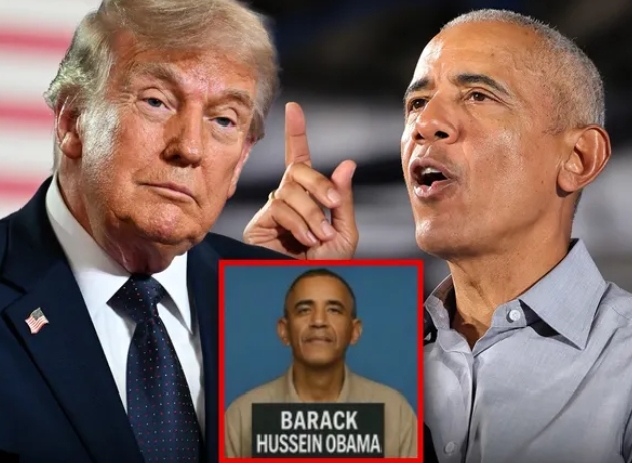
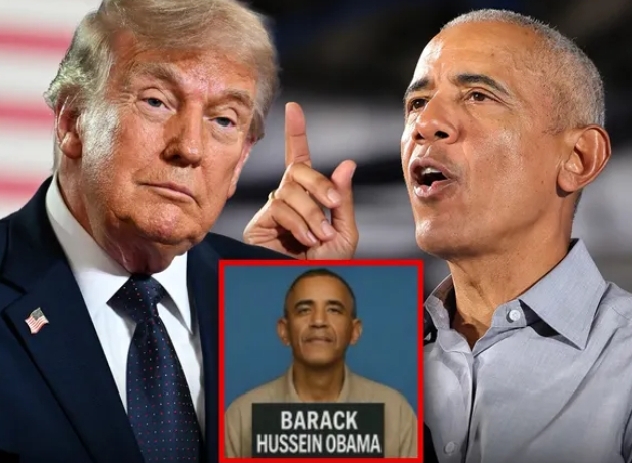
United States President Donald Trump has stirred renewed political controversy after posting an artificial intelligence-generated image depicting former President Barack Obama in a fabricated prison “mugshot” scene on his social media platform, Truth Social.
Global Mirror News gathered that the digitally created image featured Obama holding a booking placard bearing the name “Barack Hussein Obama,” while dressed in an orange prison-style jumpsuit. The montage also included several former top U.S. officials such as ex-FBI Director James Comey and former CIA Director John Brennan, all portrayed in similar prison attire.
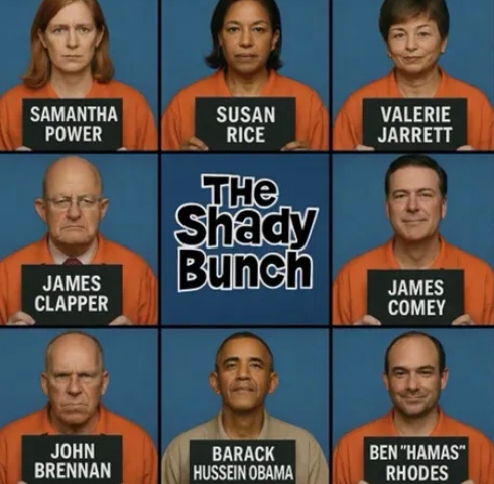
The collage, arranged in a grid-style format, was captioned by Trump as “The Shady Bunch,” with the former president describing the group as a “(Sick!)” collection of individuals he accused of using government institutions against him during and after his first administration.
The post marks another chapter in the long-running political rivalry between Trump and Obama, whose relationship has remained tense since Trump entered national politics. Trump has repeatedly accused officials from the Obama administration of misconduct connected to intelligence investigations into alleged Russian interference in the 2016 U.S. Presidential election.
James Comey, who served as FBI Director during the investigation, has long been a target of Trump’s criticism following the federal probe into alleged ties between Trump campaign associates and Russian operatives.
Although none of the individuals portrayed in the AI-generated image have been charged with crimes related to the allegations referenced by Trump, the post quickly reignited partisan debate across social media and political circles in the United States.
Political analysts say the incident also raises growing concerns over the increasing use of artificial intelligence-generated images and manipulated media in political communication, particularly ahead of future U.S. elections where misinformation and digital propaganda remain major concerns.
Critics of the post described it as inflammatory and misleading, while Trump supporters argued it reflected ongoing frustrations over past investigations involving Federal Agencies and former Administration Officials.
The development comes amid heightened political tensions in the United States as debates over accountability, election integrity, and the role of technology in political campaigns continue to dominate public discourse.