

FG Moves to Scrap JSS-SSS Separation as 20 Million Pupils Drop Out of School
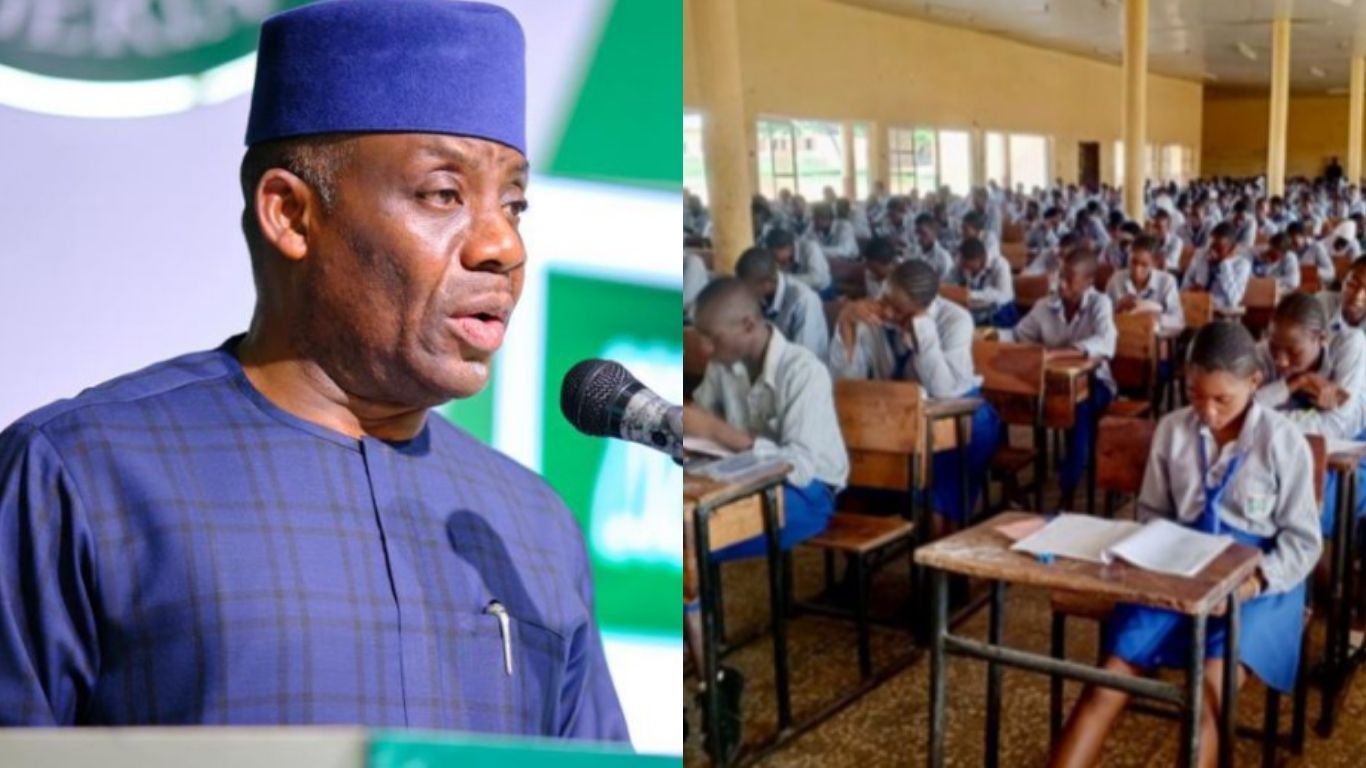
The Federal Government has announced plans to phase out the long-standing separation of Junior Secondary Schools (JSS) and Senior Secondary Schools (SSS), following revelations that more than 20 million pupils are lost during the transition from primary education to secondary school.
Minister of Education, Tunji Alausa, disclosed the proposed reform on Tuesday in Abuja during the inauguration of the Universal Basic Education Commission (UBEC) Ministerial Implementation and Monitoring Committee.
According to the Minister, the current arrangement, popularly known as the “disarticulation policy” has failed to ensure a smooth progression for learners and has significantly contributed to Nigeria’s growing school dropout crisis.
Alausa revealed that Nigeria has approximately 80,000 public primary schools but only about 15,000 public junior secondary schools, creating a one-to-eight ratio that leaves millions of children without access to the next stage of education.
“We have 20 million dropouts from primary school to JSS. Where are those students?” the minister asked, describing the figures as evidence of deep structural problems within the Country’s education system.
He explained that the shortage of junior secondary schools has resulted in overcrowded JSS facilities, while many Senior Secondary Schools, particularly in Kaduna and other northern states, remain underutilised.
The Minister blamed the policy of operating JSS and SSS as separate institutions under different principals and administrative structures for the imbalance.
“This disarticulation policy has failed. We will phase it out. We cannot continue creating administrative positions at the expense of the education of Nigerian children,” Alausa said.
He disclosed that the proposal to abolish the policy will be presented before the National Council on Education for consideration and approval.
According to him, integrating junior and senior secondary education is expected to improve learners’ transition rates, expand access to education, reduce dropout levels and strengthen learning outcomes across the Country.
Alausa expressed confidence that the current administration would reverse the trend, insisting that the reforms are aimed at ensuring every Nigerian child has an opportunity to complete basic and secondary education.
At the event, the minister also inaugurated a committee chaired by Rashid Aderinoye to oversee the implementation and monitoring of UBEC-funded Smart Schools, Bilingual Schools and Alternative Schools nationwide.
The committee has been tasked with ensuring that the projects are completed, handed over to state governments and put into effective use for teaching and learning.
Alausa lamented that despite huge public investments in education infrastructure, many UBEC-funded schools remain uncompleted or have not admitted students, describing the situation as a waste of scarce public resources.
He expressed optimism that the new monitoring committee would accelerate the completion and operationalisation of the projects, ultimately expanding access to quality education for millions of Nigerian children.