

Lassa Fever Death Toll Rises to 214 as Fatality Rate Climbs in Nigeria
Nigeria has recorded 214 deaths from Lassa fever so far in 2026, as health authorities warn that the disease is proving more fatal than it was during the same period last year.
The Nigeria Centre for Disease Control and Prevention (NCDC), in its latest Lassa Fever Situation Report for epidemiological week 23, said the country’s case fatality rate had risen to 25 per cent, compared with 18.9 per cent recorded at the same point in 2025.
Global Mirror News gathered that the report, which covered June 1 to June 7, showed that the number of newly confirmed infections remained unchanged from the preceding week. New cases were reported in Edo, Ondo, Bauchi and Ebonyi States.
Since the beginning of the year, Lassa fever infections have been reported in 23 states and 109 Local Government Areas across the Country. The NCDC said both suspected and confirmed cases were higher than figures recorded during the corresponding period in 2025, raising concerns over continued transmission.
Five States account for the bulk of confirmed infections Nationwide. Ondo State recorded the highest share with 28 per cent, followed by Bauchi with 25 per cent, Taraba with 15 per cent, Edo with 10 per cent and Benue with six per cent. The remaining cases were spread across 18 other States.
Young adults between the ages of 21 and 30 remain the most affected group, according to the agency. Confirmed cases have involved people aged between one and 93 years, while the median age of patients is 30.
The NCDC, however, said no new infection was recorded among healthcare workers during the reporting week.
Global Mirror News gathered that the National Lassa Fever Multi-Partner, Multi-Sectoral Incident Management System remains active, coordinating surveillance, treatment, contact tracing and other response measures at federal, state and local government levels.
The Health Agency warned that the rising fatality rate, despite the relatively stable number of newly confirmed cases, points to an ongoing public health concern. It said response activities were continuing in affected states to identify cases early, strengthen treatment and limit further spread of the viral disease.
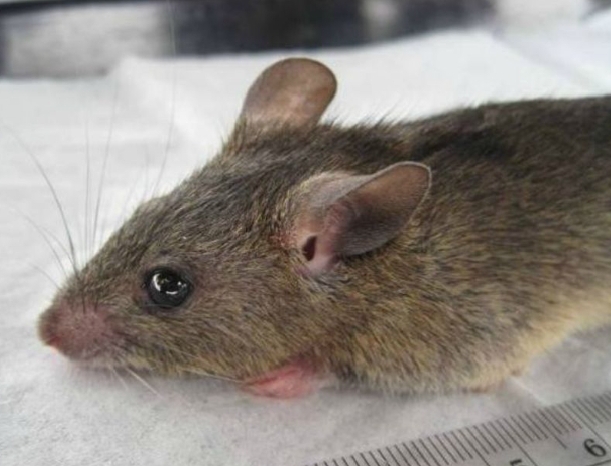
Lassa fever is endemic in Nigeria and is commonly associated with exposure to food, household items or environments contaminated by infected rodents. Health authorities have repeatedly urged Nigerians to maintain proper hygiene, keep food covered, prevent rodent infestation in homes and seek medical attention early when symptoms develop.