
FIFA Defends Referees, Rejects Claims of Bias After Argentina-Egypt VAR Controversy
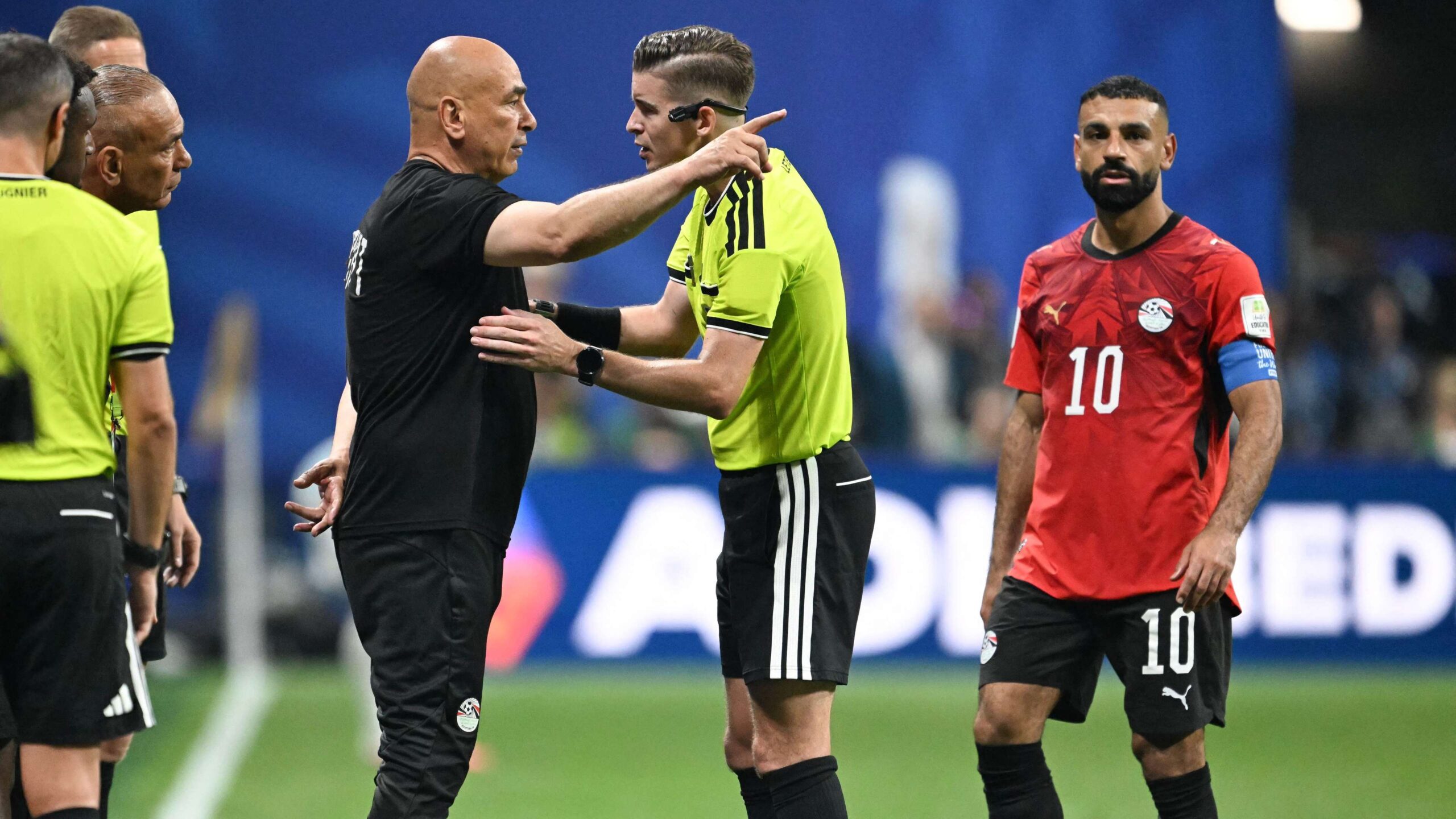
The World Football Governing Body, FIFA, has firmly dismissed allegations of interference in officiating decisions following the controversial use of the Video Assistant Referee (VAR) during Argentina’s Round of 16 victory over Egypt at the ongoing 2026 FIFA World Cup.
Global Mirror News gathered that FIFA’s Chief Refereeing Officer and Chairman of the FIFA Referees Committee, Pierluigi Collina, insisted that match officials operate with complete independence and cannot be influenced by anyone, including FIFA President Gianni Infantino.
Speaking in an interview published by FIFA on Thursday, July 9, 2026, Collina described allegations questioning the integrity of World Cup referees as unacceptable, warning that such accusations had exposed officials and their families to threats and abuse.
According to him, FIFA has consistently entrusted its referees to discharge their responsibilities independently and professionally.
“Nobody can claim that FIFA refereeing can be influenced by anyone, not even by the FIFA President. Match officials make honest decisions and, just like players and coaches, they always try to do their best,” Collina said.
Addressing the contentious moments in the Argentina-Egypt encounter, Collina explained that VAR was correctly used after Egyptian midfielder Marwan Attia stepped on the foot of Argentine defender Lisandro Martínez during the attacking phase that eventually led to a goal.
He clarified that under the Laws of the Game, there is no restriction regarding the time or distance between an offence and a goal if the incident directly contributes to the scoring opportunity.
Collina further stated that while some decisions remain subjective, stepping on an opponent’s foot constitutes a foul and warrants intervention by VAR if the referee failed to spot the infringement during play.
He also referenced another incident in the same match involving Egypt captain Mohamed Salah and Argentina forward Julián Álvarez, noting that both the referee and VAR concluded that the contact between the players was normal football interaction and did not amount to a foul.
The veteran Italian referee acknowledged that football decisions would always generate discussions and differing opinions but maintained that FIFA was satisfied with how VAR had been implemented throughout the tournament.
After overseeing 96 matches in the expanded 48-team World Cup, Collina said FIFA remained pleased with the overall performance of referees despite the increased demands on match officials.
He stressed that while constructive debate over refereeing decisions is a natural part of football, baseless allegations against officials have no place in the game.
“Nobody can question the integrity of FIFA World Cup match officials. When this happens, it may provoke reactions that lead to threats against them and their families. This is not right,” he added.