

FCT Launches Free Long-Lasting HIV Prevention Injection to Curb New Infections
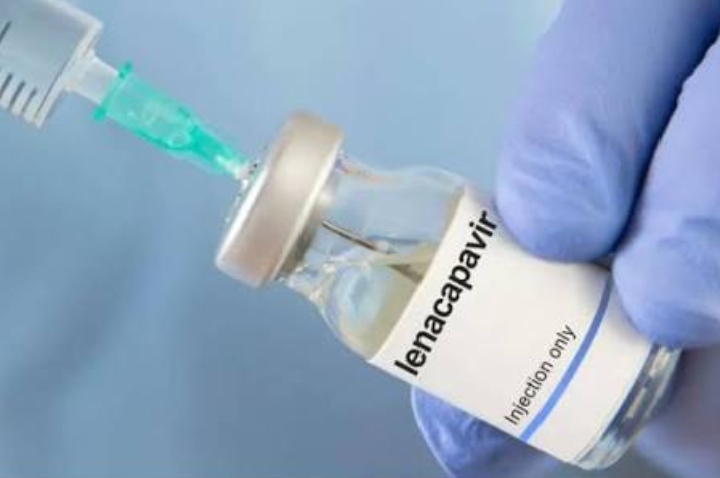
The Federal Capital Territory (FCT) has rolled out a free long-acting HIV prevention injection, marking a major shift in Nigeria’s strategy to reduce new infections and expand access to modern preventive care, Global Mirror News reports.
The initiative introduces Lenacapavir, an advanced injectable form of pre-exposure prophylaxis (PrEP), which is administered once every six months, unlike conventional daily oral pills.
According to Health Authorities, the rollout is being coordinated by the FCT HIV/AIDS, Viral Hepatitis and STIs Control Programme in collaboration with relevant Agencies, with the official flag-off held at the Asokoro District Hospital in Abuja.
Global Mirror News gathered that the FCT has already received thousands of doses of the injection, which will be provided free of charge to eligible residents, particularly those at high risk of HIV exposure.
A Game-Changer in HIV Prevention
Health experts describe Lenacapavir as a breakthrough in HIV prevention, as it eliminates the burden of daily medication and improves adherence among users. The drug is designed for HIV-negative individuals who are at substantial risk of infection.
Nigeria remains one of the countries with a significant HIV burden, with about 1.9 million people living with the virus, making prevention efforts critical to national health outcomes.
Nationwide Strategy Underway
The FCT rollout forms part of a broader Federal Government initiative targeting eight states and the FCT in the pilot phase, supported by international partners including the Global Fund.
Authorities say the programme will help:
Increase access to preventive services.
Reduce new HIV infections.
Strengthen Nigeria’s response toward ending HIV/AIDS as a Public Health Threat.
However, officials caution that while the injection is highly effective, it does not protect against other sexually transmitted infections, meaning additional preventive measures remain necessary.
What This Means
The free rollout signals a major policy shift toward innovative, patient-friendly prevention methods, especially for populations that struggle with adherence to daily medications.
If successfully implemented, experts believe the initiative could significantly reduce new HIV infections and accelerate progress toward National and Global HIV control targets.
