

FG Expands Import Ban, Tightens Grip on Foreign Goods to Boost Local Industry
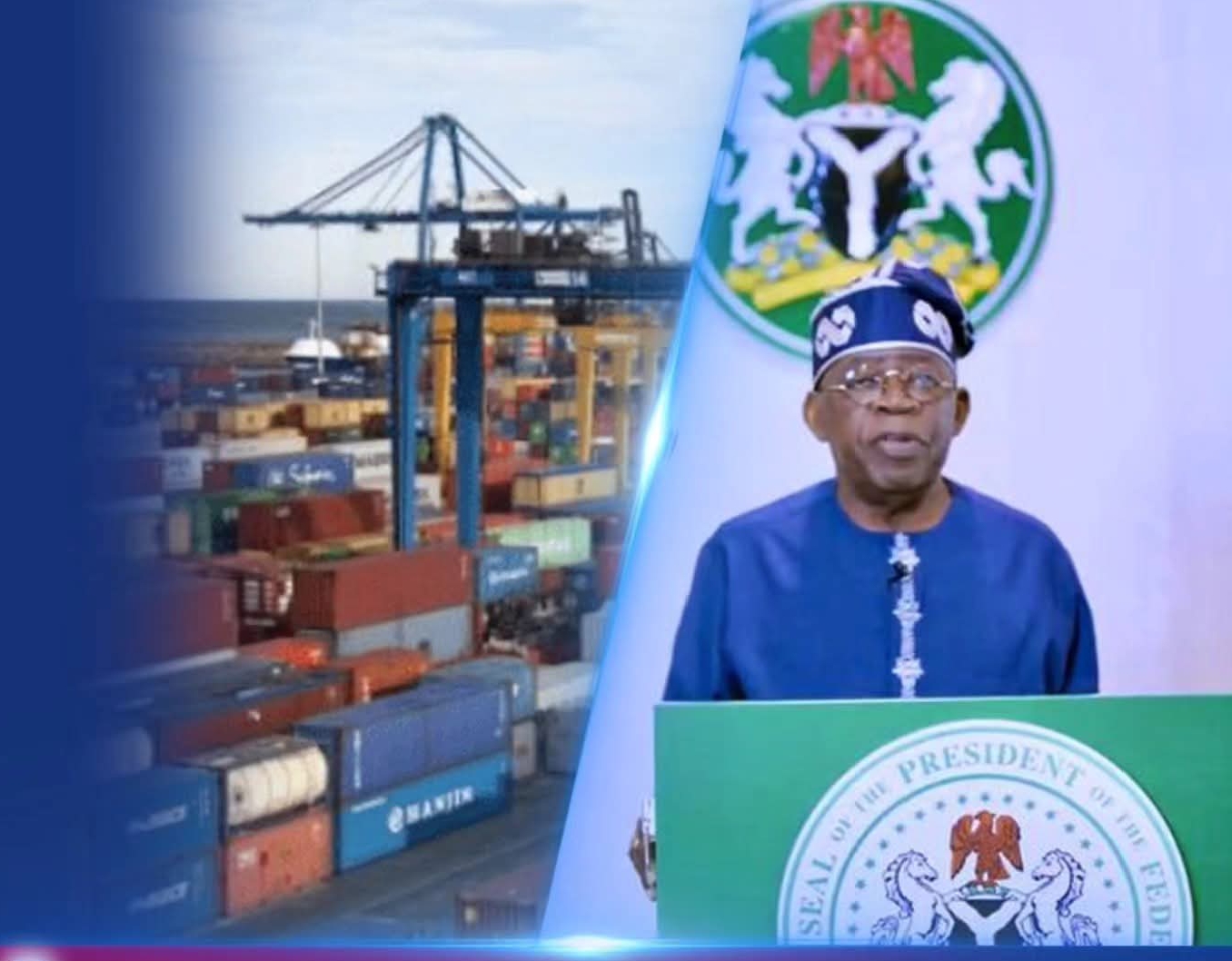
The Federal Government has significantly strengthened its import control regime, widening the list of restricted foreign goods as part of a broader push to protect domestic industries and reduce reliance on imports.
Global Mirror News gathered that the updated policy, approved under the 2026 fiscal framework, introduces a revised import prohibition list covering at least 17 categories of goods. The directive, which took effect from April 1, 2026, is anchored on Nigeria’s trade protection strategy within the ECOWAS Common External Tariff system.
According to a circular issued by the Federal Ministry of Finance and signed by the Minister of Finance, Wale Edun, the new measures target a wide range of items including cement, fertilisers, soaps, detergents, and several consumer and industrial goods.
The restriction also extends to food products such as poultry, meat, vegetable oils, sugar, and processed tomato items, alongside non-alcoholic beverages, paper products, and certain pharmaceutical goods.
Officials explained that the policy primarily applies to imports originating from countries outside the ECOWAS bloc, reinforcing regional trade preferences while shielding local producers from foreign competition.
Global Mirror News further learned that the government has simultaneously introduced an Import Adjustment Tax affecting over 190 tariff lines, with plans for gradual reduction in line with Nigeria’s commitments under the African Continental Free Trade Area (AfCFTA).
In addition, a 90-day grace period has been granted to importers and manufacturers to comply with the new excise duties and regulatory adjustments, after which all new import transactions will be subjected to the revised regime.
The policy replaces the 2023 fiscal framework and is expected to be formally gazetted, marking one of the most comprehensive trade policy shifts in recent years.
While the government insists the move will stimulate local production and conserve foreign exchange, analysts warn that stricter import controls could worsen supply constraints and sustain inflationary pressures if not carefully managed.
The development comes amid a mixed policy environment where authorities are also lowering tariffs on selected goods to ease the cost of living, highlighting the delicate balance between protectionism and price stability in Nigeria’s economy.
