
Nigeria Offers Asylum to Guinea-Bissau Opposition Candidate as Coup Throws Nation Into Chaos
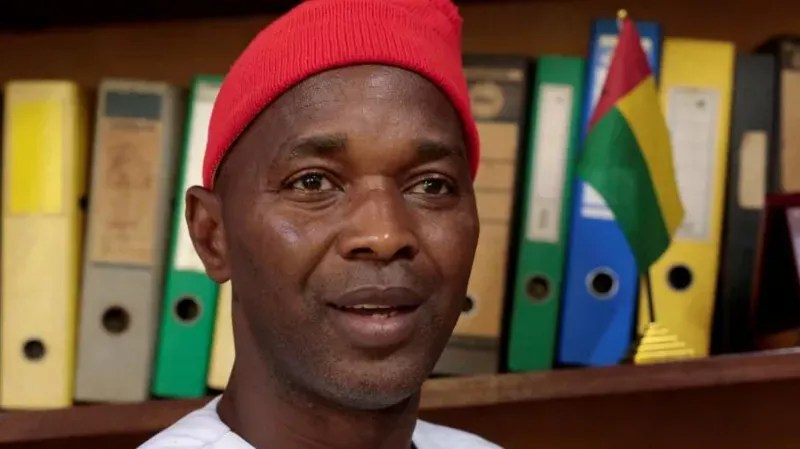
Nigeria has granted asylum to Guinea-Bissau’s Presidential candidate Fernando Dias da Costa, following a Military Coup that halted the release of the Country’s election results and plunged the West African Nation into fresh Political turmoil.
Dias, 47, who contested under the Party for Social Renewal (PRS), sought refuge at the Nigerian embassy in Bissau after receiving threats and narrowly escaping arrest by armed men on the day of the coup. Nigeria’s Foreign Minister, Yusuf Tuggar, said President Bola Ahmed Tinubu approved his protection, stressing that the move reflects Nigeria’s commitment to safeguarding democratic values in the sub-region.
Escape from Arrest and Embassy Protection
According to Dias, armed men stormed his campaign headquarters shortly after the coup unfolded, prompting him to flee before reaching the Nigerian embassy. In a letter to Ecowas Commission President Alieu Omar Touray, Tuggar said Nigeria’s decision to shelter Dias “underscores our firm commitment to protecting the democratic aspirations of the people of Guinea-Bissau.”
The letter also called for Ecowas security troops stationed in the Country to be deployed to guard the embassy and ensure Dias’ safety.
Election Results Destroyed, Commission Says
The coup occurred three days after the 23 November Presidential election. Both Dias and incumbent President Umaro Sissoco Embaló had claimed victory before the Military intervened, suspended the electoral process, and blocked the release of results, claiming they were preventing a destabilisation plot.
But on Tuesday, Senior Electoral Commission Official Idrissa Djalo revealed that armed men in balaclavas stormed the Commission’s offices, destroyed key paperwork, and damaged the main server storing regional results. Computers belonging to 45 staff members were seized, while tally sheets from two crucial regions were intercepted before reaching the capital.
The PAIGC – the historic independence party barred from fielding a candidate — said its headquarters was “illegally invaded by heavily armed militia groups” after the coup. Its leader, Domingos Pereira, was arrested the same day.
Regional Pressure Mounts as Junta Tightens Grip
A high-level Ecowas delegation led by Sierra Leone’s Foreign Minister Alhaji Musa Timothy Kabba held tense talks with the junta on Monday. Kabba described the discussions as “productive,” though both sides raised deep concerns.
Despite regional pressure, the junta has sworn in General Horta N’Tam as transitional Head of State to govern for one year. It has also banned public demonstrations and all activities it considers threatening to “peace and stability.”
Ecowas has suspended Guinea-Bissau from all decision-making bodies until constitutional rule is restored.
Accusations of a ‘Simulated Coup’ Emerge
The motives behind the coup remain unclear. Senegal’s Prime Minister Ousmane Sonko and former Nigerian President Goodluck Jonathan have publicly suggested the coup may have been staged — without providing evidence.
Some civil society groups in Guinea-Bissau accuse Embaló of orchestrating a “simulated coup” in collaboration with elements of the military, allegedly to stop election results from being released in case of defeat. Embaló, previously accused of exploiting crises to suppress dissent, has not responded to the allegations.
He was allowed to leave the Country on Thursday for Senegal, before reportedly travelling onward to Congo-Brazzaville.
A Nation Trapped in a Cycle of Coups
Guinea-Bissau, wedged between Senegal and Guinea, has experienced at least nine coups or attempted coups in the last five decades. The small West African Nation has long struggled with Military interference and remains known as a transit point in the region’s drug trafficking networks.