
United States Expands Travel Restrictions, Adds Nigeria to High-Risk Countries List
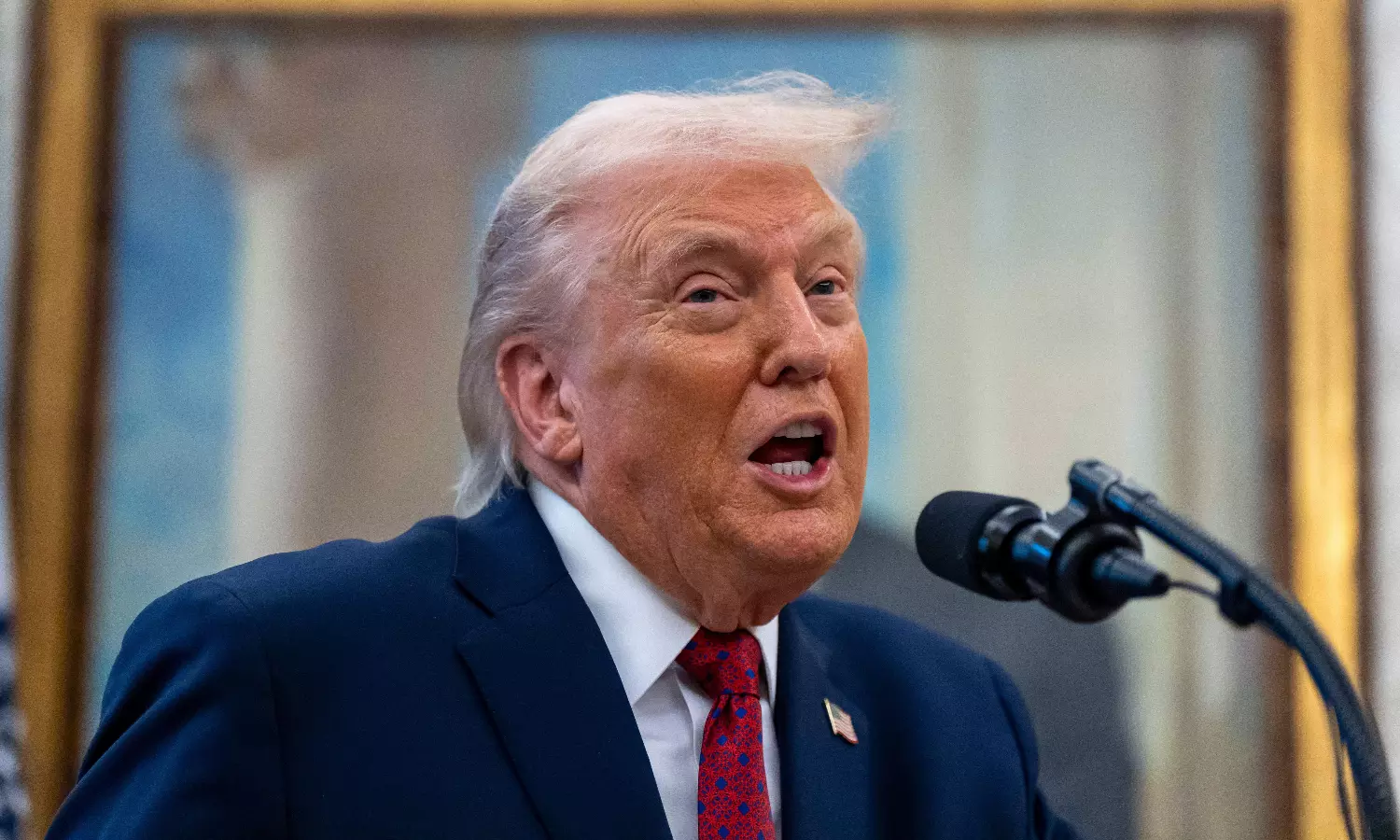
The United States has expanded its travel restrictions regime, adding Nigeria to a list of Countries whose Nationals now face partial entry limitations into the Country, following a new proclamation signed by President Donald Trump on Tuesday.
The decision was announced in a White House fact sheet titled “President Donald J. Trump Further Restricts and Limits the Entry of Foreign Nationals to Protect the Security of the United States,” issued on December 16, 2025.
According to the document, the measure is aimed at strengthening U.S. National Security and public safety by addressing what the administration described as persistent deficiencies in screening, vetting and information-sharing by certain Foreign Governments.
Nigeria is among 15 additional Countries newly placed under partial restrictions. Others on the list include Angola, Antigua and Barbuda, Benin, Côte d’Ivoire, Dominica, Gabon, The Gambia, Malawi, Mauritania, Senegal, Tanzania, Tonga, Zambia and Zimbabwe.
The proclamation maintains full entry restrictions on Nationals from 12 countries previously designated as high-risk under Proclamation 10949. These include Afghanistan, Burma, Chad, the Republic of the Congo, Equatorial Guinea, Eritrea, Haiti, Iran, Libya, Somalia, Sudan and Yemen.
Five more Countries, Burkina Faso, Mali, Niger, South Sudan and Syria have now been added to the full-restriction category, alongside individuals holding Palestinian Authority-issued travel documents.
Laos and Sierra Leone, which were previously under partial restrictions, have also been moved to the full-restriction list.
Nationals of Burundi, Cuba, Togo and Venezuela remain subject to partial restrictions.
The White House explained that the decision followed consultations with cabinet officials and assessments conducted under Executive Order 14161 and earlier proclamations.
President Trump was quoted as saying it is his duty “to take action to ensure that those seeking to enter our country will not harm the American people.”
Nigeria’s inclusion follows heightened diplomatic engagements between Abuja and Washington in recent months.
In October, Trump had designated Nigeria as a “Country of particular concern” amid allegations of a Christian genocide, claims that have been repeatedly rejected by Nigerian authorities, the African Union and ECOWAS.
President Bola Tinubu has also publicly dismissed the allegations, insisting that neither Christians nor Muslims are being targeted for extermination.
Earlier this month, U.S. Congressman Riley Moore disclosed that the United States had concluded a fact-finding mission to Nigeria and was close to a strategic security agreement with the Country to tackle terrorism and sectarian violence. He noted that findings from the mission were expected to be presented to President Trump before the end of December.
Despite these engagements, the White House said the latest restrictions were based on data-driven assessments, citing challenges such as corruption, unreliable civil documentation, poor birth-registration systems and limited cooperation in sharing law-enforcement information.
The proclamation provides exemptions for lawful permanent residents, existing visa holders, diplomats, athletes and individuals whose entry is deemed to serve U.S. National interests.
Case-by-case waivers may also be granted, although certain family-based immigrant visa categories with high fraud risks have been narrowed.