
UK Issues Fresh Travel Warning, Lists 24 Nigerian States as Unsafe Over Rising Insecurity
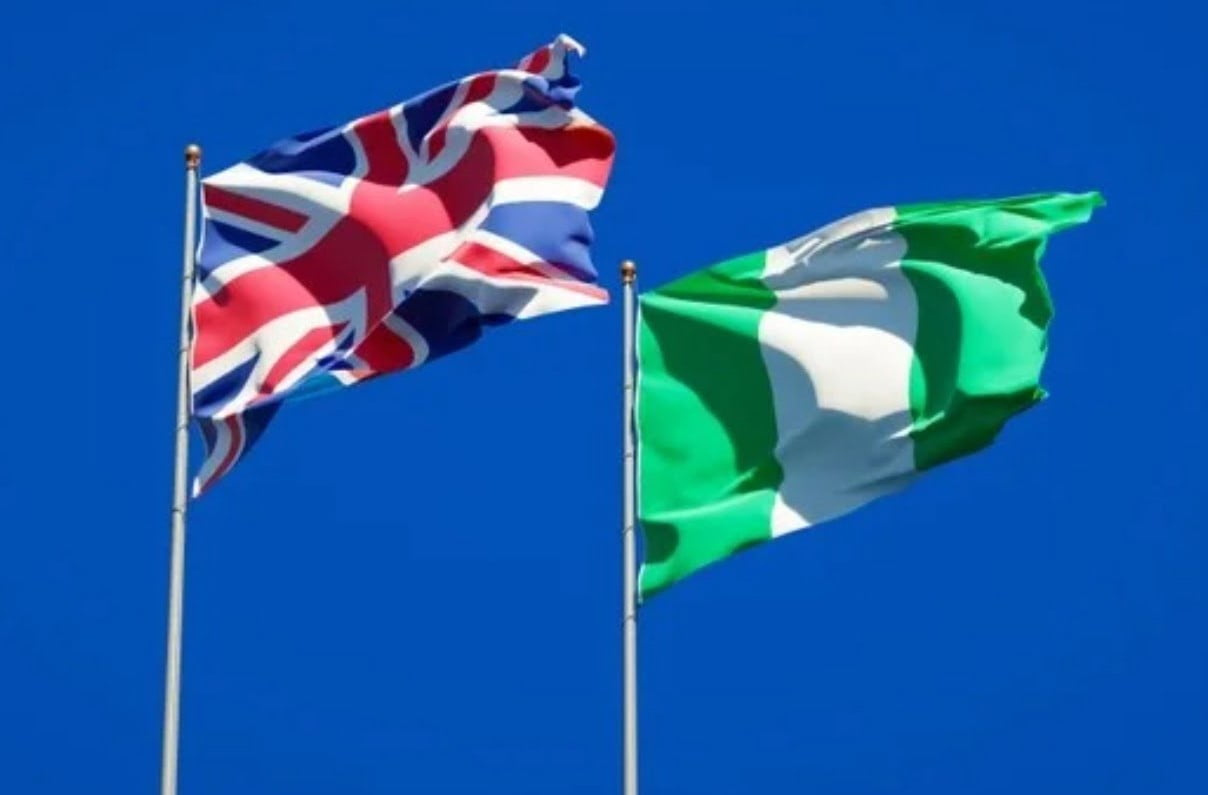
The United Kingdom Government has issued a fresh travel advisory to its citizens, warning against travel to several parts of Nigeria over the country’s worsening security situation marked by terrorism, kidnapping, armed robbery, and communal violence.
The advisory, released by the Foreign, Commonwealth and Development Office (FCDO), highlights increasing threats from insurgent groups, bandits, and militant organizations across multiple regions, urging British Nationals already in Nigeria to exercise extreme caution.
“Insecurity is increasing across Nigeria. Kidnapping, violent crime, and intercommunal violence occur throughout all regions of Nigeria,” the advisory stated.
Six States Declared Completely Unsafe
According to the FCDO, Borno, Yobe, Adamawa, Gombe, Katsina, and Zamfara States are deemed completely unsafe for travel due to the “heightened threat” from Boko Haram and Islamic State West Africa Province (ISWAP) as well as recurrent banditry.
“These Areas have witnessed persistent terrorist attacks targeting civilians, humanitarian workers, and security forces. The risk of bombings and mass kidnappings remains extremely high,” the statement warned.
Eighteen States Under Partial Restriction
The UK Government also advised against all but essential travel to 18 additional states, including:
Bauchi, Kaduna, Kano, Kebbi, Jigawa, Sokoto, Niger, Kogi, Plateau, Taraba, Benue, Cross River, Akwa Ibom, Delta, Bayelsa, Rivers, Imo, and the outer suburbs of Abuja.
The advisory emphasized that while central Abuja remains relatively safe, its outskirts and major highways are becoming increasingly dangerous due to rising incidents of kidnapping and highway robbery targeting locals and foreigners alike.
South-East and South-South on Security Watchlist
The FCDO also extended caution to the South-East and South-South regions, citing ongoing separatist violence, oil-related militancy, and piracy.
The riverine communities of Delta, Bayelsa, Rivers, Akwa Ibom, and Cross River States were described as volatile zones where militant groups and criminal networks remain active, posing risks of armed robbery, abductions, and attacks on oil installations.
Urban Crimes Rising in Lagos and Other Cities
Despite being Nigeria’s commercial hub, Lagos State was not spared from the advisory. The UK Government noted that violent crimes such as mugging, car-jacking, and armed robbery are frequent in the city and other major urban centers.
“Violent crimes occur regularly in larger cities, including Lagos, often targeting foreigners or high-profile individuals,” the FCDO stated, urging British Nationals to avoid unnecessary movements at night and maintain a low profile while in public
Evacuation Risks and Diplomatic Restrictions
The advisory further revealed that UK diplomatic staff in Nigeria have been directed to restrict their movements to within Abuja metropolis due to security concerns.
It warned that emergency evacuation from conflict-prone areas, particularly Maiduguri (Borno State) and other Northern towns, could become “extremely difficult” if security conditions deteriorate further.
Why the UK Raised the Alarm
The renewed warning follows a series of recent violent incidents across Nigeria, including:
Escalating bandit attacks and mass kidnappings in the North-West and North-Central;
Resurgence of militant operations in the Niger Delta;
And communal clashes and cult-related killings in parts of the South-East and South-South.
Security experts have described the advisory as a reflection of growing Global concern over Nigeria’s worsening security situation and its potential impact on foreign investment, tourism, and expatriate safety.
Nigerian Government Reacts
Reacting to the UK’s announcement, a senior official of Nigeria’s Ministry of Information said the advisory “overstates the situation,” insisting that the Government has made significant progress in reducing insecurity.
“Terror-related deaths have dropped by more than 80 percent since 2015. The Government continues to strengthen national security and intelligence capacity,” the source stated.
Officials urged the International Community to acknowledge improvements achieved through counter-terrorism efforts, adding that Nigeria remains open for business and tourism.
Implications for Travellers and Investors
The UK Government urged British citizens to:
Monitor Local news and updates on security developments;
Avoid large gatherings, protests, or poorly lit Areas;
Maintain contact with the British High Commission in Abuja; and
Secure comprehensive travel and medical insurance before visiting Nigeria.
Analysts warn that the advisory may cause short-term travel disruptions, deter foreign direct investment, and lead to temporary relocation of expatriate staff from high-risk Areas.
What Lies Ahead
The FCDO said it would “continue to monitor developments in Nigeria and adjust travel guidance accordingly.”
Observers note that unless Nigeria intensifies its National security measures, other Western Nations — including the United States, Canada, and Australia — may soon issue similar travel warnings.
The UK’s advisory remains accessible on the FCDO’s official website for British Nationals seeking up-to-date travel and safety information.