

Twenty Years, One Carnival, Many Cultures: Calabar Hosts Nigeria’s Grand Cultural Reunion
By Imabong Akpan-Udok
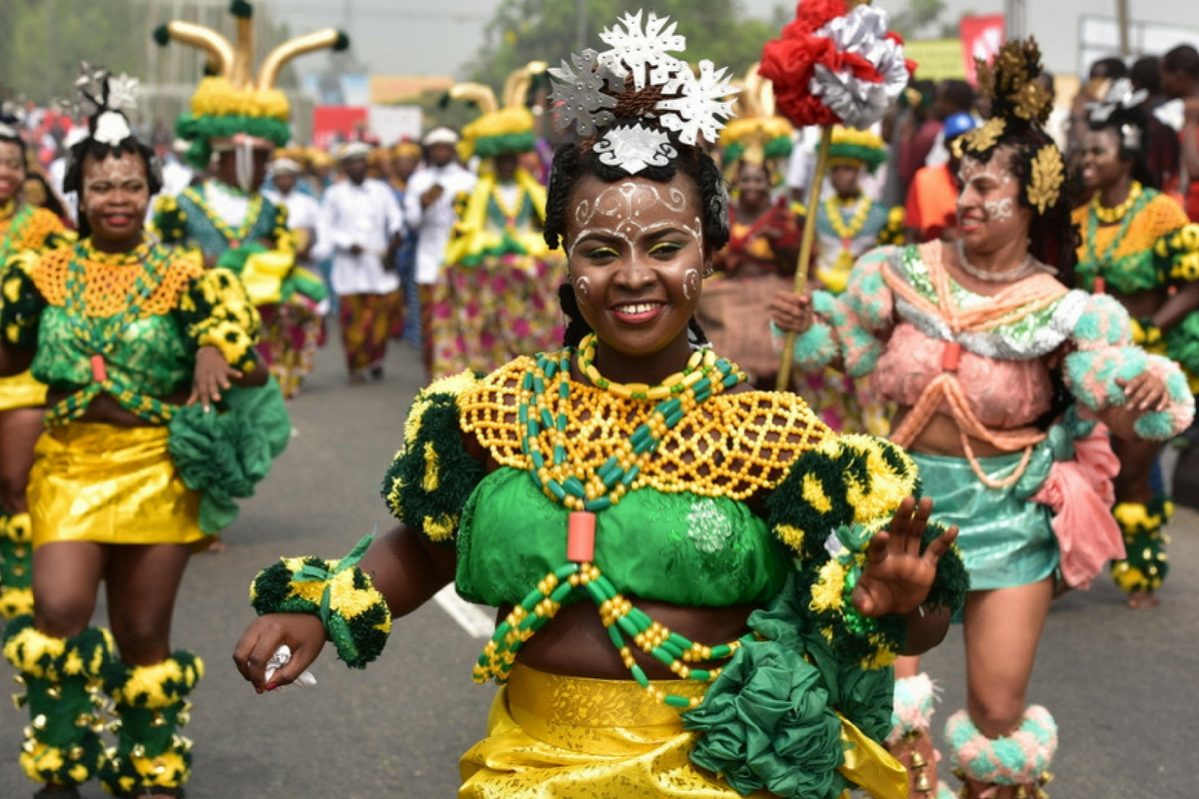
Calabar, the Cross River State capital, became a vibrant meeting point of Nigeria’s diverse identities at the weekend as the 20th edition of Carnival Calabar officially opened with a nationwide cultural showcase featuring all 36 states of the Federation.
Marking two decades of what is widely described as Nigeria’s biggest street festival, the anniversary opening transcended pageantry, presenting the carnival as a powerful symbol of National unity where cultures from across the Country converged in colour, sound and movement.
In a strong show of grassroots participation, the 18 Local Government Areas of Cross River State also featured prominently in the opening cultural parade.
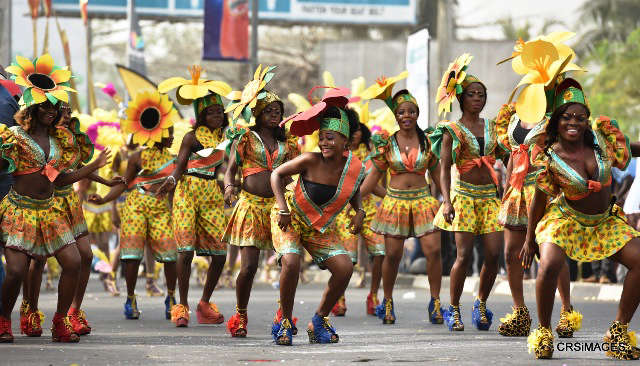
Each Council displayed its unique traditions through elaborate costumes, traditional music, energetic dance routines and exhibitions of local agricultural produce, drawing loud cheers from thousands of spectators who lined the parade routes.
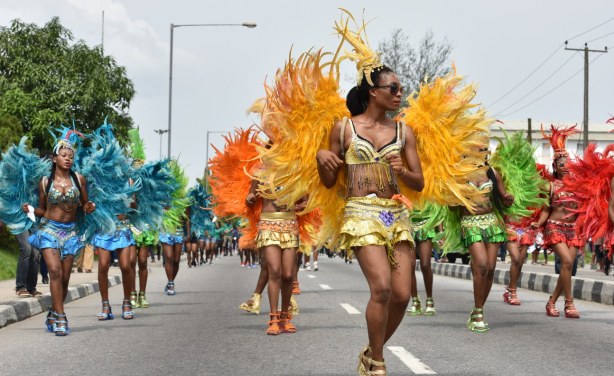
The opening ceremony formed part of a packed line-up of activities scheduled for the carnival season, including the Christmas tree lighting, Carnival Calabar dry runs, the Calabar Food Festival and the parade of bands.
Other highlights lined up for the weeks ahead include live music concerts, cultural dance performances, fashion showcases and sports competitions.
The 2025 edition is themed “Traces of Time,” a concept adopted by the Cross River State Government to reflect on the carnival’s evolution since its debut in 2005 and to underscore its enduring cultural, social and economic impact over the past 20 years.
The cultural procession, which officially signalled the commencement of the carnival, took off from Millennium Park.
From there, the State’s 18 Local Government Areas brought their heritage to life through symbolic displays, ancestral rhythms and intricate costumes that narrated stories of identity, history and communal values passed down through generations.
Speaking on the sidelines of the event, organiser of the AKWAABA African Travel and Tourism Market, Ikechi Uko, described Carnival Calabar as a celebration that goes beyond entertainment, noting that it functions as a living archive of history, heritage and communal pride.
Uko dismissed claims that the carnival erodes the traditions of the Cross River people, explaining that it represents a healthy interaction between tradition and modern expression.
According to him, the opening cultural procession reflects inherited traditions, while the street carnival scheduled for December 29 showcases contemporary creativity.
He noted that culture evolves with time, adding that modern music genres such as Afrobeat now form part of Nigeria’s cultural identity, just as traditional dances reflect ancestral heritage. He stressed that the carnival showcases culture as it exists today rather than diminishing it.
For many participants, the event carried deep personal meaning. One of them, 60-year-old Nkoyo Eshiet, said witnessing Carnival Calabar in person fulfilled a lifelong dream.
She described the experience as overwhelming and appealed to the Cross River State Government to sustain and expand the carnival’s legacy.
“I cannot describe it. It is more than a carnival.
I have always wanted to witness this event, and my appeal is for the State Government to sustain and grow this legacy,” she said.
The immediate past edition of the carnival, held in 2024 under the theme “Our Shared Prosperity,” ran for 32 days and recorded significant tourism and economic gains.
Data from the Cross River State Tourism Bureau showed that Margaret Ekpo International Airport recorded over 10,000 inbound passengers between November 1 and December 29, 2024, compared to 7,452 passengers during the same period in 2023.
According to the Bureau, about 79 per cent of the visitors arrived fro other parts of Nigeria, while three per cent came from the diaspora, largely for leisure and carnival-related activities.
In total, an estimated 150,000 visitors entered Calabar by road, air and sea in December 2024, spending approximately ₦8.875 billion on transportation alone — a 42 per cent increase in visitor numbers compared to 2023.
As the 20th anniversary celebrations unfold, expectations remain high that the 2025 Carnival Calabar will further reinforce Calabar’s status as one of Africa’s leading cultural and tourism destinations.