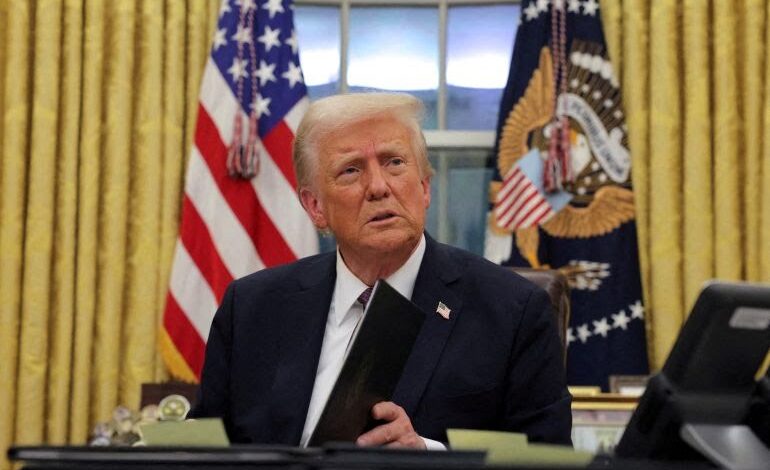

Trump Blocks Canada Access at Border Library
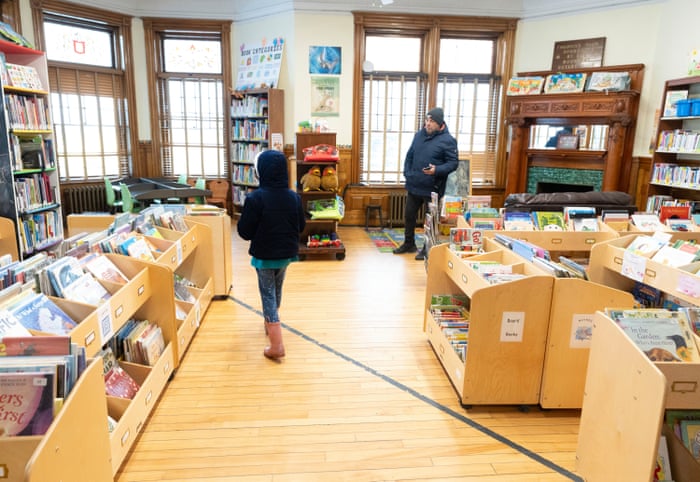
In a decision that has stirred emotions on both sides of the border, former U.S. President Donald Trump has officially ended unrestricted Canadian access to the Haskell Free Library and Opera House, a rare building that physically straddles the U.S.–Canada border.
For over a century, the Haskell Library — located between Derby Line, Vermont, and Stanstead, Quebec — has stood as a remarkable monument to cross-border friendship.
Its main reading room sits in the United States, while its bookshelves stretch into Canada, famously divided by a black line marking the international boundary.
Visitors could freely enter through the U.S. door from the Canadian side without formal immigration checks — a unique arrangement celebrated as a symbol of trust and cooperation.
That tradition has now come to an end.
Under the new directive announced by U.S. Customs and Border Protection, Canadians can no longer use the U.S. entrance to access the library without first reporting to an official border checkpoint.
Washington officials said the change was necessary to “tighten security and curb unlawful crossings” through the building.
The decision has triggered outrage and sadness across both border communities. Local leaders in Stanstead and Derby Line say the move undermines generations of shared heritage and the goodwill that has defined the Haskell since its opening in 1904.
“This library was never just about books,” said one resident. “It was about two Nations learning, meeting, and living side by side — literally.”
In response, library officials have unveiled plans to build a new Canadian entrance complete with parking and accessibility features, allowing patrons to visit without stepping into U.S. territory. However, fundraising challenges and regulatory hurdles remain.
For many, the closure symbolizes a broader shift — from open friendship to tightened borders — reflecting the political mood that has often characterized Trump-era policies.
Once hailed as a place “where the border disappears,” the Haskell Library now stands as a quiet reminder that even symbols of unity can be redrawn by politics.