
Tinubu Reverses Clemency List, Drops Maryam Sanda, 140 Others After Public Outcry
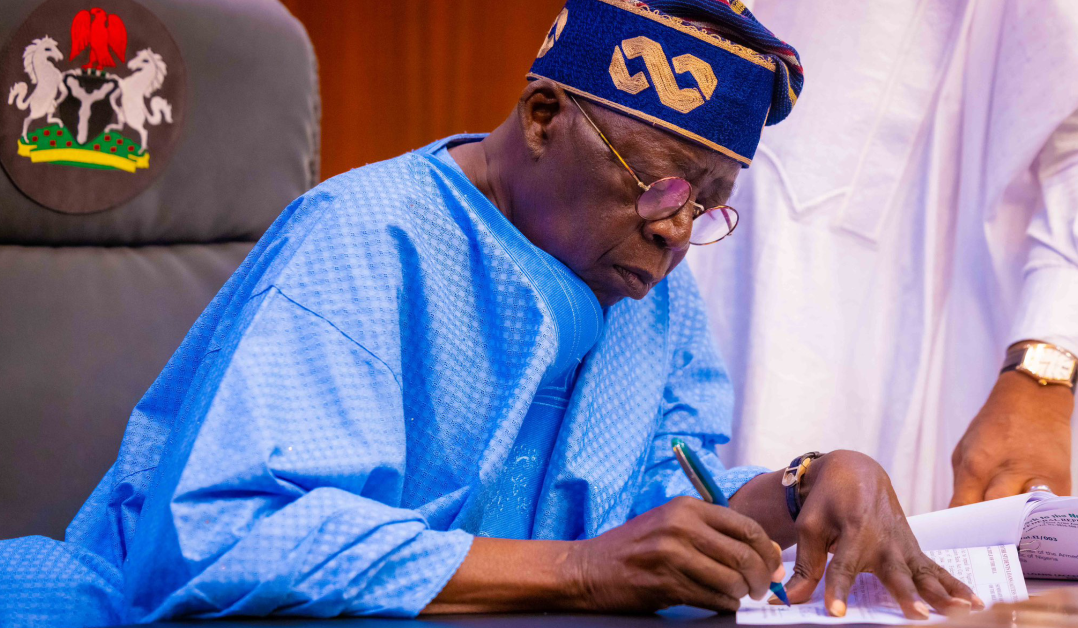
In a dramatic policy reversal, President Bola Ahmed Tinubu has removed Maryam Sanda who was convicted for killing her husband and 140 others from the initial list of 175 inmates earlier approved for Presidential pardon.
The move followed widespread outrage and backlash from the public, rights groups, and victims’ families who faulted the inclusion of individuals convicted for murder and other heinous crimes.
According to a statement by the Special Adviser to the President on Information and Strategy, Mr. Bayo Onanuga, the revised list now contains only 34 names, cutting out individuals whose offences were deemed too grievous to merit Presidential Mercy.
President Tinubu, who had initially announced clemency for 175 inmates across various correctional facilities, was said to have acted after an extensive review process involving the Council of State, Legal Advisers, and Security Agencies.
The original list included 82 convicts granted full pardon, 65 whose prison terms were reduced, seven death sentences commuted to life imprisonment, and 11 posthumous pardons, among others.
However, following public criticism, especially over the inclusion of Maryam Sanda, who was convicted in 2020 for killing her husband, Bilyaminu Bello, the son of a former PDP National Chairman, Tinubu ordered an immediate review of the entire list.
“The President took this decision after considering national security implications, public sensibilities, and the moral expectations of Nigerians,” Onanuga stated.
“Justice, to this Administration, is a three-way traffic, it must consider the rights of the accused, the victims, and the society at large.”
Names Retained on the Revised Clemency List
The new list, which was made public after the review, retained only 34 convicts, including:
Oroka Chibueze, Adesanya Paul, Daniel Bodunwa, Hamza Abubakar, Buhari Sani, Mohammed Musa, Muharazu Abubakar, Ibrahim Yusuf, Saad Ahmed Madaki, Ex-Corporal Michael Bawa, Richard Ayuba, Adam Abubakar, Emmanuel Yusuf, Chinedu Stanley, and Johnny Udor.
Those whose death sentences were commuted to life imprisonment include Emmanuel Baba, Abubakar Usman, Khalifa Umar, and Mohammed Umar.
Others granted full pardon include Anastasia Nwaobia, Hussaini Umar, Ayinla Alanamu, Farouk Lawan, Herbert Macaulay, Major General Mamman Vatsa, and Ken Saro-Wiwa, among others.
Why 140 Names Were Dropped
Presidential aides disclosed that those removed from the list were involved in serious crimes such as murder, kidnapping, armed robbery, drug trafficking, human trafficking, and terrorism-related offences.
The Presidency said it would be insensitive to grant amnesty to such offenders given the ongoing National security challenges and the need to uphold the morale of Law Enforcement Agencies.
Institutional Reforms to Prevent Future Controversies
To prevent similar controversies, Tinubu directed that the Presidential Advisory Committee on the Prerogative of Mercy be moved from the Ministry of Special Duties to the Federal Ministry of Justice.
He also ordered the Attorney-General of the Federation to draft clear guidelines for the exercise of Presidential pardon, including mandatory consultations with relevant Agencies such as the Nigerian Correctional Service, the National Security Adviser’s Office, and the Ministry of Justice.
The President stressed that only convicts who “fully meet legal and procedural conditions” should benefit from any future clemency.
Public Reaction and Significance
The reversal has been widely praised by rights activists and members of the public who had described the original pardon list as “a moral travesty.” Many Nigerians commended the President for showing responsiveness and sensitivity to public opinion.
Analysts, however, note that the episode exposes flaws in Nigeria’s pardon process and the need for greater transparency and scrutiny.
President Tinubu reaffirmed his commitment to fairness and judicial reform, promising that future exercises of executive mercy would reflect justice, compassion, and National interest.
“This Administration will continue to ensure that clemency decisions uphold public trust and promote justice that strengthens our democracy,” Onanuga concluded.