
Soyinka’s Visa Row — When Silence Becomes a Statement
The Nobel laureate’s quiet defiance turns a diplomatic slight into a powerful lesson on dignity, voice, and sovereignty.
By Editorial Board
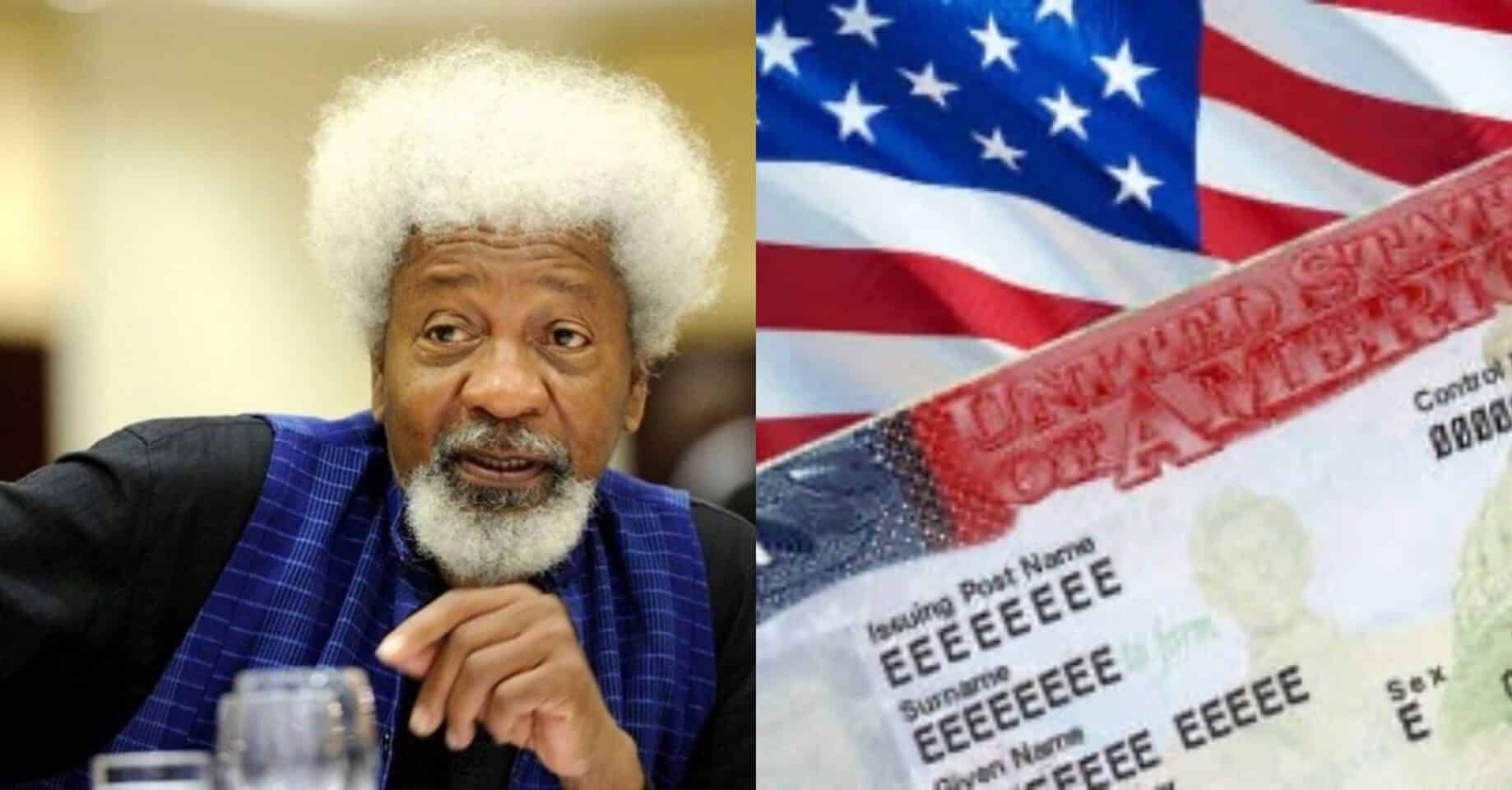
When Nobel laureate Wole Soyinka revealed that the United States had revoked his visa after he declined a re-interview invitation from the U.S. Consulate in Lagos, many Nigerians saw it as a minor diplomatic note. Yet beneath that simple act lies a larger story: one about power, pride, and principle in an unequal world.
Soyinka’s refusal was not rooted in arrogance but in dignity. For a man who has spent his life challenging oppressive systems, from colonialism to dictatorship , the idea of being “summoned” for questioning by a foreign mission carried shades of condescension. To him, the process was unnecessary and lacked transparency.
“I have no visa; I am banned,” Soyinka said — his voice calm, his words loaded.
The U.S. authorities offered no public reason for the revocation, merely citing standard regulations. But Soyinka’s long record of outspokenness, particularly his criticism of America’s racial politics and his harsh words for former President Donald Trump, may well have influenced unseen decisions. Whether deliberate or incidental, the move has sparked widespread debate about freedom, fairness, and respect in global relations.
This incident should prompt reflection far beyond Soyinka himself. How are African intellectuals and cultural icons treated by global institutions? Must a Nobel laureate — a global symbol of conscience — re-prove his worth at every foreign gate? The deeper concern is not one man’s travel status, but a continent’s continuing struggle for reciprocal respect.
For Nigeria, this moment underscores the need to uphold its own citizens — especially those whose work commands global reverence. It is also a reminder that diplomacy is not just about power, but about principle.
Soyinka’s quiet defiance has turned a bureaucratic act into a symbolic protest — one that questions the boundaries of national pride and personal integrity. His silence has become his statement.