Petrol Hits ₦1,000/Litre as Tinubu Okays 15% Import Tariff
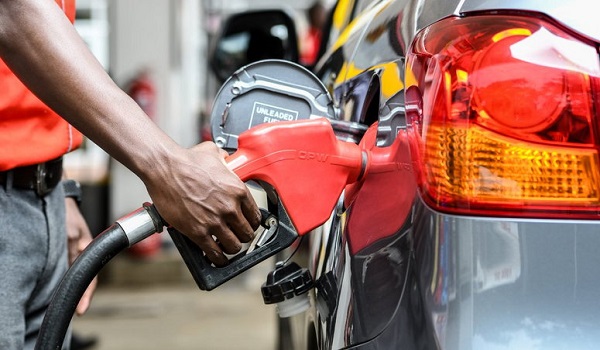
A fresh wave of hardship has swept through Nigeria as petrol prices skyrocketed beyond ₦1,000 per litre following President Bola Tinubu’s approval of a 15 percent import tariff on petrol and diesel, a policy the Government says is meant to boost local refining and reduce import dependence.
The Presidential directive, issued on October 21, 2025, mandates the Federal Inland Revenue Service (FIRS) and the Nigerian Midstream and Downstream Petroleum Regulatory Authority (NMDPRA) to begin immediate enforcement.
However, the policy has sparked public outrage and economic anxiety, with filling stations in Lagos, Abuja, Port Harcourt, and Kano now selling petrol between ₦1,050 and ₦1,100 per litre.
Policy Sparks Economic Tension
Government officials defended the move, saying it would support local refineries like the Dangote Refinery and help Nigeria achieve fuel self-sufficiency.
“The goal is to build a sustainable refining industry and reduce foreign dependence,” a presidency source told Global Mirror News.
But petroleum marketers and economists have faulted the timing, warning that the measure could worsen inflation and increase transport and food prices.
“With the new tariff, landing cost has jumped sharply, and it’s impossible to sell below ₦1,000,” said a depot operator in Lagos.
Rising Costs and Inflation Fears
Transport fares and the prices of goods have already surged across the country. In Lagos and Abuja, commuters are paying over 50 percent more for transport, while food traders have begun adjusting prices.
Energy economist Dr. Michael Adebayo described the move as “a short-term pain with uncertain long-term gain,” noting that it could push inflation even higher and deepen poverty levels.
Favouring Local Refiners?
Critics argue that the new tariff tilts the market in favour of major domestic refiners, particularly Dangote Refinery, by making imported fuel more expensive.
“This is a protectionist policy dressed as reform,” said one industry source. “Local players may gain, but the ordinary Nigerian loses.”
Public Anger Mounts
The Nigeria Labour Congress (NLC) and other civil society groups have condemned the move and warned of possible protests.
“Every hike in fuel price translates to more suffering,” said NLC President Joe Ajaero. “The government must not push Nigerians beyond their limits.”
Government’s Assurance
Officials say the policy will be reviewed once local production stabilizes, and that palliatives may be introduced to cushion the impact.
But for now, Nigerians are paying the price — literally — as the cost of petrol crosses the ₦1,000 mark, sending shockwaves through an already strained economy.