
Paul Biya, 92, Secures 8th Term as Cameroon’s President Amid Protests and Tensions
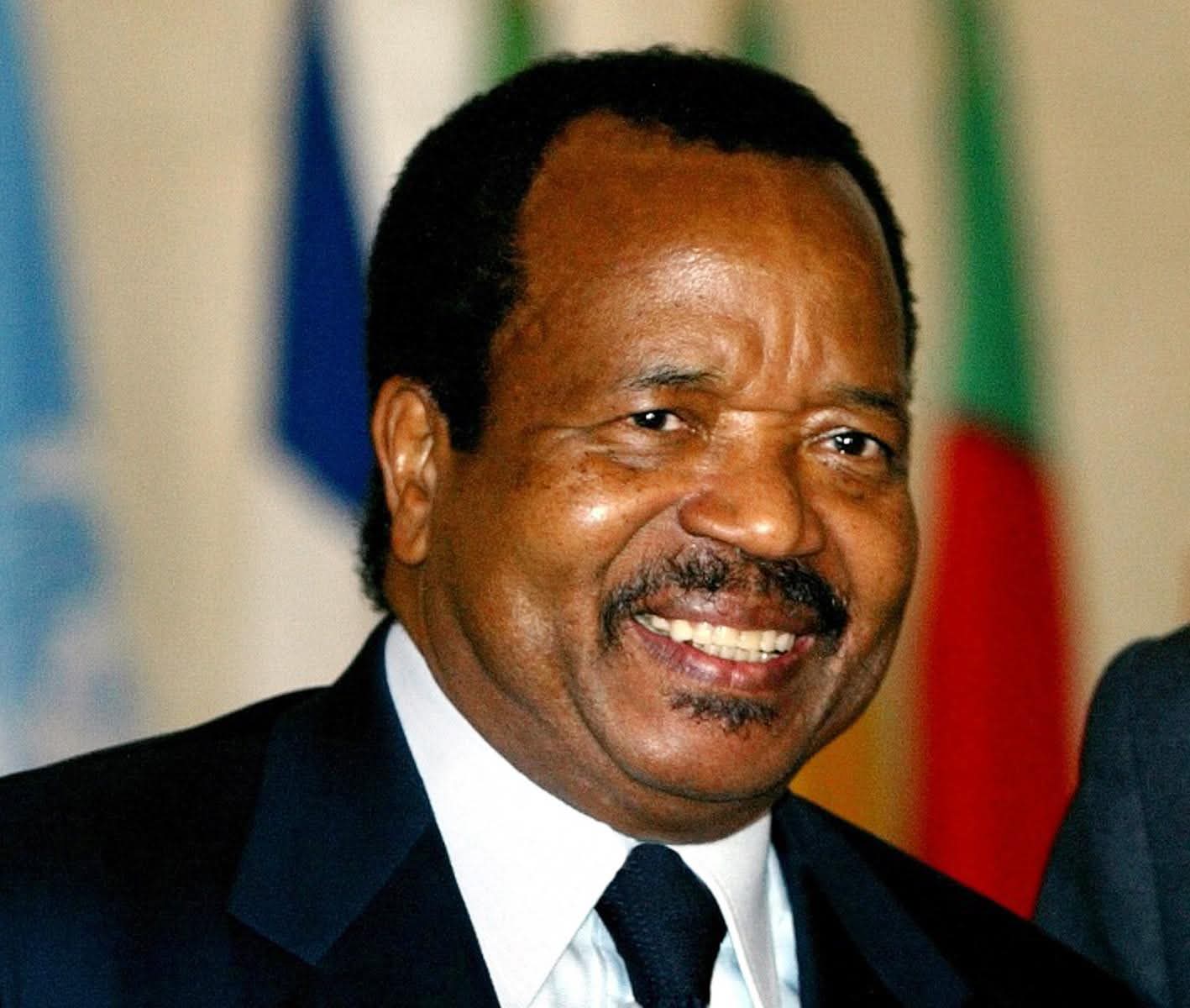
Cameroon’s long-time ruler, Paul Biya, has won a record eighth term in office, extending his 43-year reign after officially clinching 53.66 percent of the vote in the October 12 presidential election.
The 92-year-old leader, already one of the world’s oldest and longest-serving Heads of State, will remain in power until 2032 — by which time he will be 99 years old.
The Cameroon Constitutional Council announced the results late Sunday, declaring Biya’s Cameroon People’s Democratic Movement (CPDM) victorious. His closest rival, Issa Tchiroma Bakary, garnered 35.19 percent, while other opposition candidates trailed far behind.
However, opposition parties and rights groups have rejected the outcome, alleging widespread vote rigging, intimidation, and ballot manipulation in several regions.
Protests erupted overnight in Douala and Bamenda, with reports of at least four fatalities following clashes between demonstrators and security forces.
Biya, addressing the Nation in a televised speech, called for “peace, unity, and stability,” promising to “continue steering the country toward progress and security.”
He praised citizens for what he described as a “peaceful and democratic election,” even as international observers cited logistical irregularities and restricted political space.
The election unfolded against a backdrop of mounting national challenges including a prolonged separatist conflict in the English-speaking Northwest and Southwest regions, Boko Haram insurgencies in the Far North, and a stagnant economy marked by high youth unemployment and inflation.
Biya first assumed office in 1982, following the resignation of Cameroon’s founding president, Ahmadou Ahidjo. Since then, constitutional changes notably the 2008 removal of term limits have enabled his continued stay in power.
Analysts say Biya’s re-election underscores Cameroon’s political stagnation, with little sign of generational transition or democratic renewal. “Cameroon is effectively a one-man state,” said political analyst Henri Tamba.
“This election shows how entrenched the system has become stability at the cost of accountability.”
International reactions have been muted, though Western observers urged Biya’s administration to “respect democratic norms” and engage with the opposition.
As the country’s oldest-ever president begins another seven-year term, many Cameroonians are left questioning how long the aging leader can govern and what the future of leadership succession will look like in a nation yearning for change.