

Oxford Dictionary Expands Global English With Nigerian Slangs “Nyash,” “Amala,” “Biko”
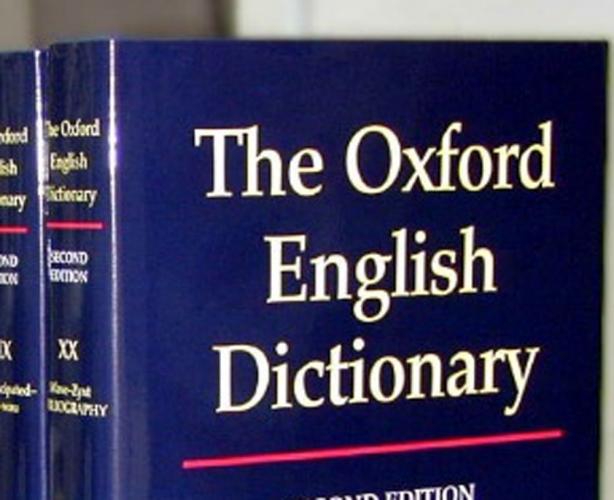
Global Mirror News gathered that the Oxford English Dictionary (OED) has officially expanded its lexicon to include several Nigerian slangs, cultural expressions, and food-related terms, reinforcing Nigeria’s growing influence on Global language, culture, and popular discourse.
The newly recognised words were unveiled as part of the dictionary’s latest quarterly update, which added hundreds of new entries and revised existing definitions to reflect evolving global usage of English.
Among the Nigerian expressions now formally acknowledged are “nyash,” “abeg,” “biko,” “amala,” “moi moi,” “mammy market,” and “Ghana Must Go.”
According to the OED, “abeg” is classified as an interjection commonly used to express a plea, emphasis, or disbelief, while “biko,” rooted in the Igbo language, is recognised as a polite request meaning “please.” “Nyash,” a term widely used in Nigerian and diaspora slang, is defined as referring to a person’s buttocks.
The update also reflects Nigeria’s culinary and socio-cultural footprint. “Amala” is defined as a traditional Nigerian staple made from yam, cassava, or plantain flour and typically eaten with local soups, while “moi moi” is described as a steamed bean pudding popular across Nigeria and West Africa.
Beyond slang and food, the dictionary has also included culturally significant terms such as “mammy market,” referring to markets traditionally found within military barracks and institutional communities, and “Ghana Must Go,” the iconic chequered plastic travel bag commonly associated with migration and trade across West Africa.
Global Mirror News gathered that the update further acknowledges Nigeria’s cultural export through the inclusion of “Afrobeats,” defined as a genre of contemporary popular music blending West African sounds with jazz, funk, and soul influences.
The genre has gained Global prominence through Nigerian artists and International collaborations.
Oxford editors noted that the additions are part of an ongoing effort to reflect how English is shaped by regional usage, migration, music, food, and digital culture.
Linguists say the recognition of Nigerian words highlights the dynamism of English as a global language and affirms the legitimacy of African expressions within formal reference works.
This latest update follows previous OED inclusions of Nigerian and West African words, further cementing the region’s place in shaping modern Global English.