

Over 10,000 Nigerians Fall Victim to Gender-Based Violence in Nine Months — Survivors Call for Urgent Action
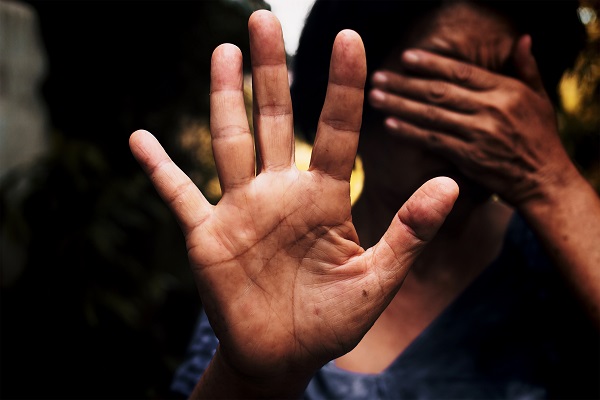
More than 10,000 Nigerians have reported cases of gender-based violence (GBV) in just the first nine months of 2025, according to figures released by the Federal Government. Among these victims, 2,444 survivors received care in recovery centres, while 511 were empowered with livelihood support, yet many continue to face trauma, stigma, and uncertainty about their safety.
The disclosure came during the National Multi-Stakeholder Dialogue on Gender-Based Violence, organised by ActionAid and other development partners, where the Minister of Women Affairs and Social Development, Imaan Suleiman-Ibrahim, emphasised the urgent need to protect women, children, and vulnerable groups across the Country. Her message was delivered by Dr. Adanna Steinacker, Senior Special Assistant to the President on Women’s Health.
“Violence against women and children is not just a statistic — it is a lived reality that leaves deep scars on individuals, families, and communities,” the minister said. She lamented that although the 2024 National Demographic and Health Survey showed a decline, one in three women in Nigeria still suffers GBV, underscoring the persistent scale of the problem.
A growing and worrying trend is Technology-Facilitated GBV (TFGBV), including non-consensual sharing of intimate images, online blackmail, sex torture, and manipulation via digital platforms. Many survivors of TFGBV remain silent, as the abuse is often invisible, leaving them isolated and traumatised.
To better support survivors, the Federal Government is preparing to relaunch the National Electronic Dashboard on Gender-Based Violence, a tool that will track incidents and improve case management Nationwide. Additionally, the Ministry is fast-tracking the creation of an Emergency GBV Response Fund to ensure continuous support for shelters, hotlines, sexual assault centres, emergency interventions, and survivor rehabilitation.
ActionAid Nigeria’s Niri Goyit highlighted the heavy toll of online harassment, revealing that 45 per cent of women in Nigeria have experienced cyberstalking, and 10.6 per cent have faced doxing, particularly those in public-facing roles. Goyit pointed to patriarchal norms, weak enforcement of online harassment laws, low digital literacy, and gaps in platform moderation as major drivers of TFGBV.
“Survivors need a system that listens and responds quickly. This requires law enforcement, civil society, and technology platforms to work together,” she said, urging for clear reporting channels and survivor-centred approaches.
The United Kingdom Foreign, Commonwealth Development Office representative, Mrs. Cynthia Rowe, called for a national online gender safety policy and the establishment of digital abuse courts and protection orders. She also recommended that social media platforms act swiftly to remove harmful content within 48 hours, and that police and legal agencies receive gender-sensitive cybercrime training.
For survivors like those affected by both physical and online abuse, these measures cannot come soon enough. The Federal Government’s initiatives, combined with active civil society engagement, aim to offer not just protection but also hope, healing, and a pathway to reclaiming dignity.