

Nigeria Plunged Into Darkness Again as National Power Grid Collapses Twice in Four Days
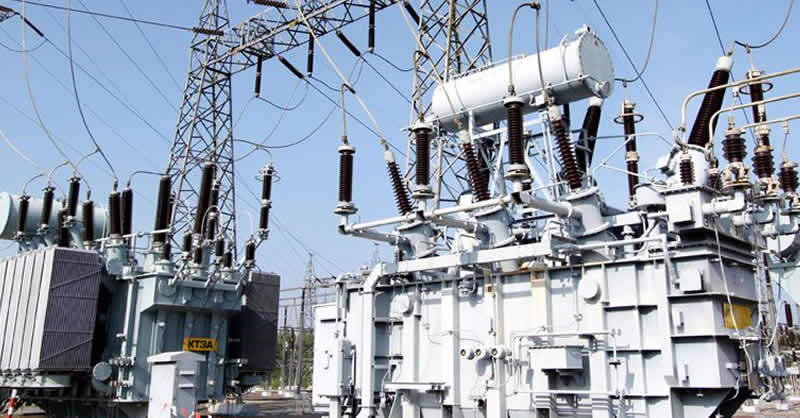
Nigeria’s fragile electricity system suffered another major breakdown on Tuesday as the national power grid collapsed for the second time in just four days, plunging large parts of the country into darkness and renewing concerns over the stability of Africa’s largest power market.
Data monitored by Global Mirror News shows that electricity generation fell sharply to just 39 megawatts at about 11:00 a.m., down from 3,825 megawatts recorded at 10:00 a.m. Earlier in the day, power generation had climbed to 4,762 megawatts by 6:00 a.m., before the sudden system-wide failure.
The latest collapse once again exposed long-standing weaknesses in Nigeria’s electricity transmission network, including ageing infrastructure, limited redundancy, and frequent technical disruptions.
Electricity distribution companies across the country were immediately affected. In Lagos, Eko Electricity Distribution Company (EkoDisCo) confirmed the outage in a notice to customers, attributing the blackout to a system collapse.
“Kindly be informed that there was a system collapse at 10:48 hours, which has resulted in a loss of power supply across our network,” the company said.
“We are currently working with our TCN partners as we hope for the speedy restoration of the grid. We will keep you updated as soon as power supply is restored. Kindly bear with us.”
At the time of the incident, load allocation to all electricity distribution companies dropped to 0.00 megawatts, indicating that no Disco was supplying power nationwide when the grid failed.
This incident marks Nigeria’s second grid collapse in January 2026 and the third in less than one month. The national grid previously collapsed on December 29, 2025, and again on Friday, January 23, 2026, highlighting a troubling pattern of recurring system failures.
The repeated outages have continued to disrupt households, businesses, hospitals, and critical services, while increasing operating costs for industries forced to rely on diesel-powered generators amid rising fuel prices.
The Nigerian Independent System Operator (NISO) has yet to provide a detailed explanation for Tuesday’s collapse. However, the operator later confirmed that the outage occurred at about 12:40 p.m., following the simultaneous tripping of several 330kV transmission lines, which form a key part of the national transmission backbone.
Responding to the earlier grid collapse on Friday, January 23, NISO said the incidents resulted in a total shutdown of the interconnected network.
“The Nigerian Independent System Operator wishes to inform the public that at approximately 12:40 hours on Friday, 23 January 2026, the national grid experienced a system-wide disturbance, which resulted in a total outage across the interconnected network,” the statement read.
Energy experts say the frequency of grid failures is raising fresh questions about the pace of power sector reforms and the urgency of investing in transmission infrastructure to stabilise electricity supply in the Country.