
Nigeria Leads Sub-Saharan Africa as 24 Universities Break into 2026 Global Rankings
Nigeria has emerged as the most represented Country in Sub-Saharan Africa in the 2026 Times Higher Education (THE) World University Rankings by Subject, with 24 Universities making the Global list for the first time.
Global Mirror News gathered that the rankings, released on January 21, mark a historic milestone for Nigeria’s Higher Education Sector, reflecting growing International recognition of academic quality, research output, and Institutional competitiveness across the Country.
The Nigerian Universities Ranking Advisory Committee (NURAC) described the development as a major breakthrough, noting that Nigeria now leads all Sub-Saharan African Nations in Global University representation.
The 2026 rankings assessed Institutions across 11 subject areas, including Arts and Humanities, Business and Economics, Computer Science, Education, Engineering, Law, Life Sciences, Medical and Health, Physical Sciences, Psychology, and Social Sciences.
Chairman of NURAC and former Executive Secretary of the National Universities Commission (NUC), Professor Emeritus Peter Okebukola, said the achievement underscores the resilience and rising academic strength of Nigerian universities.
According to Okebukola, the strong showing aligns with renewed Federal Government support for the University system under President Bola Ahmed Tinubu, particularly in staff welfare and ongoing efforts to improve teaching, learning, and research environments.
He added that the progress also builds on reforms initiated by previous administrations, especially during the tenure of Professor Abubakar Adamu Rasheed as NUC Executive Secretary.
Global Mirror News reports that institutions were required to meet stringent eligibility criteria to qualify for the 2026 rankings, including a minimum volume of research publications within each subject area over a five-year period, as well as adequate academic staffing in the relevant disciplines.
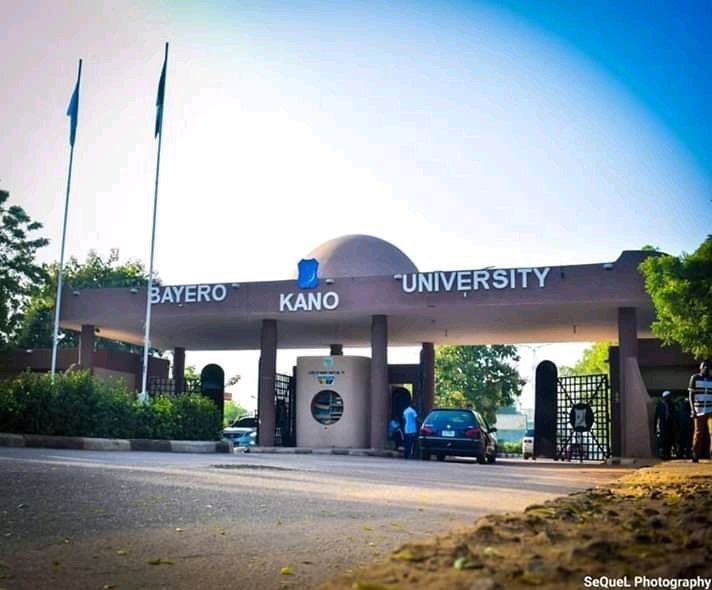
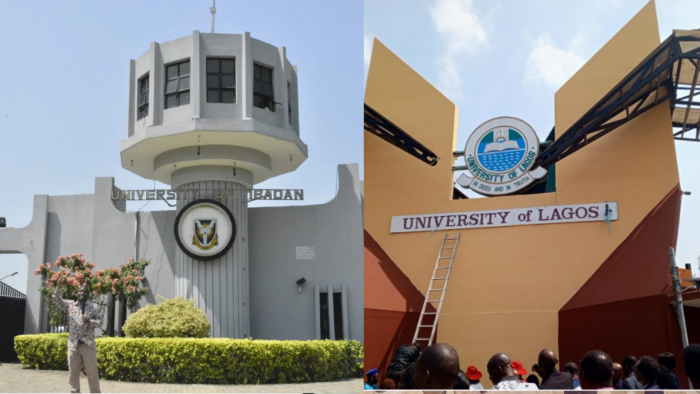
In the Law category, the University of Ibadan (UI) and the University of Nigeria, Nsukka (UNN) entered the 301–400 global band, a development widely regarded as a significant milestone. UI also maintained a strong position in Medical and Health Sciences, ranking in the 301–400 band, while the University of Lagos followed in the 401–500 range. Other Nigerian Universities, including Ahmadu Bello University, Zaria; Bayero University, Kano; University of Benin; University of Jos; and UNN, ranked within the 601–800 bracket.
Nigeria also recorded notable performances in Computer Science and Physical Sciences, with Landmark University, the University of Ilorin, and Covenant University leading the pack. In Social Sciences, Covenant University and UI placed in the 501–600 Global band, while UNN emerged as Nigeria’s sole representative in Psychology, ranking within the same range.
Okebukola explained that the rankings are based on THE’s five key performance pillars: teaching, research environment, research quality, international outlook, and industry income.
“Nigerian Universities are no longer just participating; they are competing for Global respect,” he said, calling for sustained investment in research funding, infrastructure, International partnerships, and stronger University-industry collaboration to consolidate recent gains.
NURAC reaffirmed its commitment to working closely with the NUC to sustain Nigeria’s upward trajectory in Global University rankings and deepen the Country’s impact in the International academic space.