
Nigeria Faces Fallout as US Rewrites Aid Rules
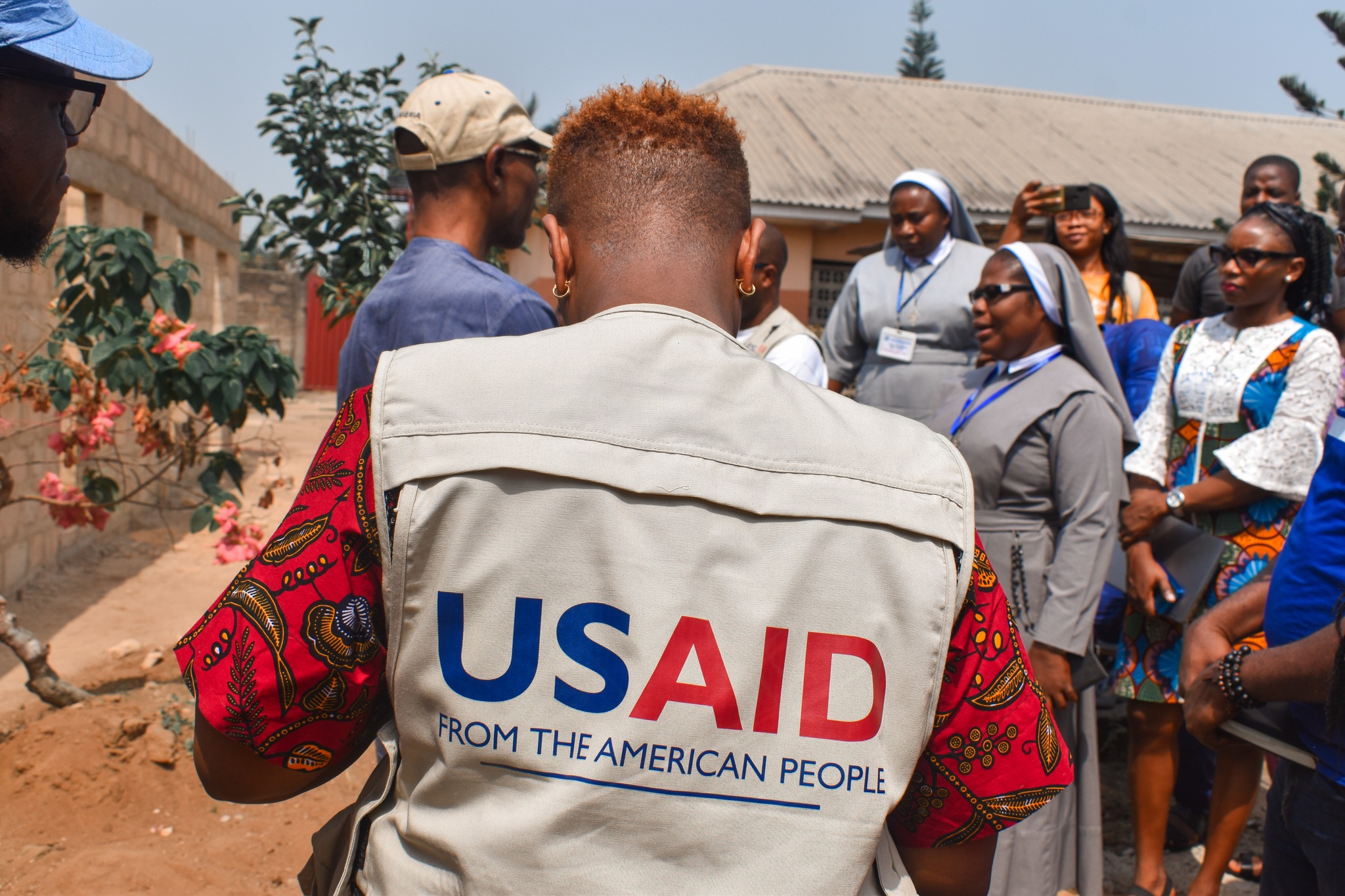
Nigeria is emerging as one of the Countries most exposed to a major shift in United States foreign Aid Policy (USAID), as Washington rewrites the rules of global humanitarian funding and scales back its traditional support channels.
The policy reset, unveiled alongside a new $2 billion US pledge to the United Nations, is reshaping how aid is delivered worldwide and raising concerns about its impact on vulnerable nations that have long depended on American assistance.
The announcement was made in Geneva, where US officials outlined a sweeping overhaul of humanitarian financing.
Under the new framework, much of Washington’s support will be routed through central UN coordination structures rather than directly to individual Agencies.
The United States says the approach is designed to reduce duplication, improve efficiency and enforce accountability across the International aid system.
American officials defended the reforms as overdue, arguing that global humanitarian Agencies must adapt to financial realities and demonstrate measurable results.
They stressed that while the US remains the world’s largest humanitarian donor, funding will increasingly be tied to performance and streamlined operations.
However, the changes mark a significant departure from past practice.
US humanitarian contributions are now far below levels recorded in previous years, coming at a time when conflicts, climate shocks and displacement are driving humanitarian needs to record highs.
The United Nations itself has acknowledged growing funding gaps, forcing it to scale back or prioritise assistance in multiple crisis zones.
For Nigeria, the implications are particularly stark.
The Country has historically benefited from extensive US-backed programmes in healthcare, nutrition, food security and emergency relief, especially in conflict-affected regions.
Recent aid restructuring and funding pauses have already disrupted several initiatives, prompting concerns among humanitarian actors and policymakers.
Analysts warn that reduced and rechannelled funding could deepen existing challenges in Nigeria, where millions rely on external support amid insecurity, poverty and displacement.
Sectors such as HIV/AIDS treatment, maternal health, nutrition services and humanitarian relief are seen as especially vulnerable if alternative funding is not secured.
The USAID overhaul is also part of a wider global trend, as traditional donors reassess foreign assistance spending amid domestic economic pressures.
While supporters argue reform will strengthen the system in the long term, critics caution that abrupt funding shifts risk weakening life-saving operations in fragile States.
As the global humanitarian architecture adjusts to Washington’s new approach, Nigeria and other aid-dependent Countries face mounting pressure to diversify partnerships, boost domestic funding and adapt to a rapidly changing International aid environment.