
National Grid Collapse Triggers Nationwide Blackout
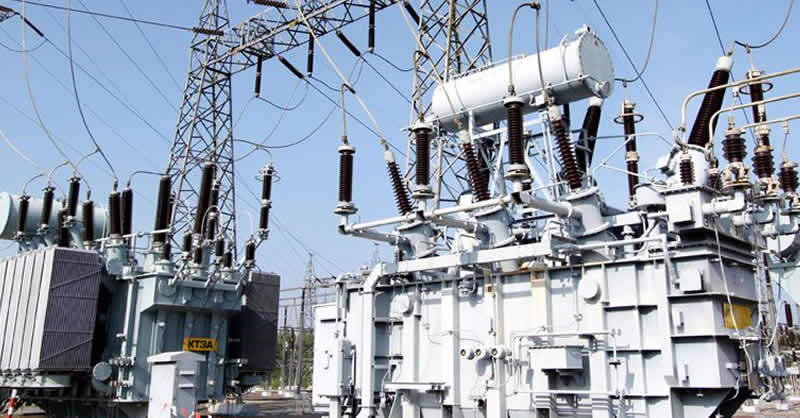
Nigeria’s Electricity Sector was again thrown into turmoil as the National power grid collapsed, plunging most parts of the Country into darkness and underscoring persistent structural weaknesses in the Nation’s energy infrastructure.
Findings from Global Mirror News gathered across the Country indicate that the grid disturbance occurred before midday, leading to an abrupt loss of power supply to nearly all electricity distribution Companies.
Data from the system operator showed that by early afternoon, only the Ibadan Electricity Distribution Company remained partially on the grid, receiving a meagre 20 megawatts, while others recorded zero allocation.
Distribution companies serving Abuja, Lagos (Eko and Ikeja), Benin, Enugu, Jos, Kaduna, Kano, Port Harcourt and Yola were among those completely cut off from supply, triggering widespread outages that disrupted businesses, hospitals, households and critical services.
The latest collapse is the first recorded Nationwide grid failure in 2026 and comes amid mounting concerns over the reliability of Nigeria’s power network.
Energy analysts note that the incident followed earlier disruptions in Kano, where electricity supply had already been affected by industrial action involving workers of the Kano Electricity Distribution Company (KEDCO), further compounding supply challenges in the region.
Although the exact technical cause of the collapse was not immediately disclosed, officials confirmed that Engineers were mobilised to stabilise the system and commence gradual restoration.
Recurrent grid failures, however, continue to raise questions about investment gaps, ageing infrastructure, operational inefficiencies and coordination within the electricity value chain.
Global Mirror News reports that stakeholders have renewed calls on the Federal Government and power sector regulators to fast-track reforms, strengthen transmission capacity and improve system resilience to prevent repeated Nationwide outages that undermine economic productivity and public confidence.