

Justice After the Bullet: The Case of the Nigerian Student Killed by a Police Officer
On a calm May evening in 2020, as Nigeria struggled under the tension and uncertainty of a Nationwide COVID-19 lockdown, 20-year-old Rinji “Ceejay” Bala stepped out for a simple stroll with two friends. It was a brief attempt to escape the suffocating monotony of isolation. Instead, it became the final walk of his life.
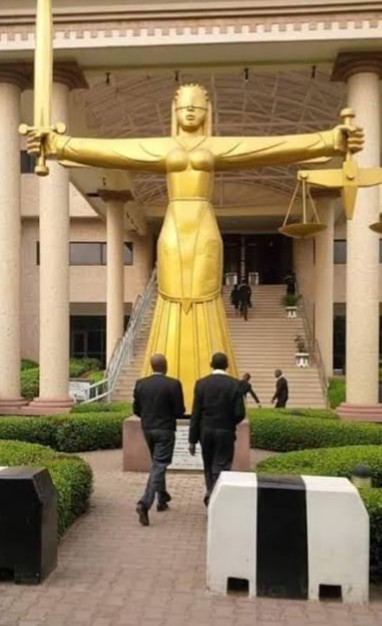
Nearly five years later, a courtroom in Jos delivered the long-awaited judgment on his killing, one that many Nigerians say has restored a measure of faith in a justice system weighed down by years of police abuse cases that never see the light of accountability.
In a firm ruling on Tuesday December 9, 2025, Justice David Mann, Chief Judge of Plateau State, sentenced Sgt. Ruya Auta to death for the culpable homicide of the University of Jos student. The judge described the shooting as “an unjustifiable and unlawful use of lethal force.”
The Night That Changed Everything
On May 12, 2020, Rinji and his friends were stopped near the Hwolshe Area by security personnel enforcing lockdown restrictions. Despite finding nothing incriminating during a search, officers detained and beat the young men. Eventually, they were ordered to run.
Rinji did, only for a Police Bullet to enter his back, fatally tearing through his waist. He collapsed instantly.
Authorities initially labelled the shooting an “accidental discharge,” a term that has become synonymous with Police killings in Nigeria. But for Rinji’s family, friends, and a generation of young Nigerians fed up with systemic abuses, the explanation never made sense.
A Family’s Pain, a Father’s Poise
Throughout the trial, Mr. Peter Bala maintained a quiet dignity, refusing to let anger eclipse his son’s memory. After the verdict, he spoke softly but firmly.
“No sane person celebrates another man’s death,” he said. “But the law must stand. That is all.”
His words reflected not triumph, but a weary relief—justice, however delayed, had arrived.
A Test for Nigeria’s Justice System
Prosecution counsel Dr. Garba Pwul (SAN) proved that the officer fired deliberately, citing forensic evidence and the position of the entry wound. Justice Mann agreed, ruling that Sgt. Auta’s conduct violated both the law and basic principles of policing.
The decision has since been hailed as a milestone for Police accountability in Nigeria, a Country where many victims of extrajudicial killings never see a courtroom verdict, let alone a conviction.
A Symbol Larger Than One Tragedy
Rinji’s name has endured beyond his death. For students, activists, and ordinary Nigerians, he represents the countless young lives cut short by unchecked State power. His photos resurface every year; his story continues to fuel conversations about reforming Nigeria’s security architecture.
A former classmate summed up the sentiment:
“He wanted to build a future. He deserved to live. If this judgment prevents even one other death, then maybe… maybe it means something.”
A Verdict With a Message
As the courthouse emptied on Tuesday, the weight of the ruling lingered. The verdict cannot undo the past, but it sends a message with National—and even global—resonance: justice is still possible, and the shield of uniform cannot protect wrongdoing forever.
For the Bala family, it marks the first real step toward healing. For Nigeria, it may mark the beginning of a shift long overdue.