

Jehovah’s Witnesses Clarify Blood Doctrine, Allow Self-Donation in Medical Care
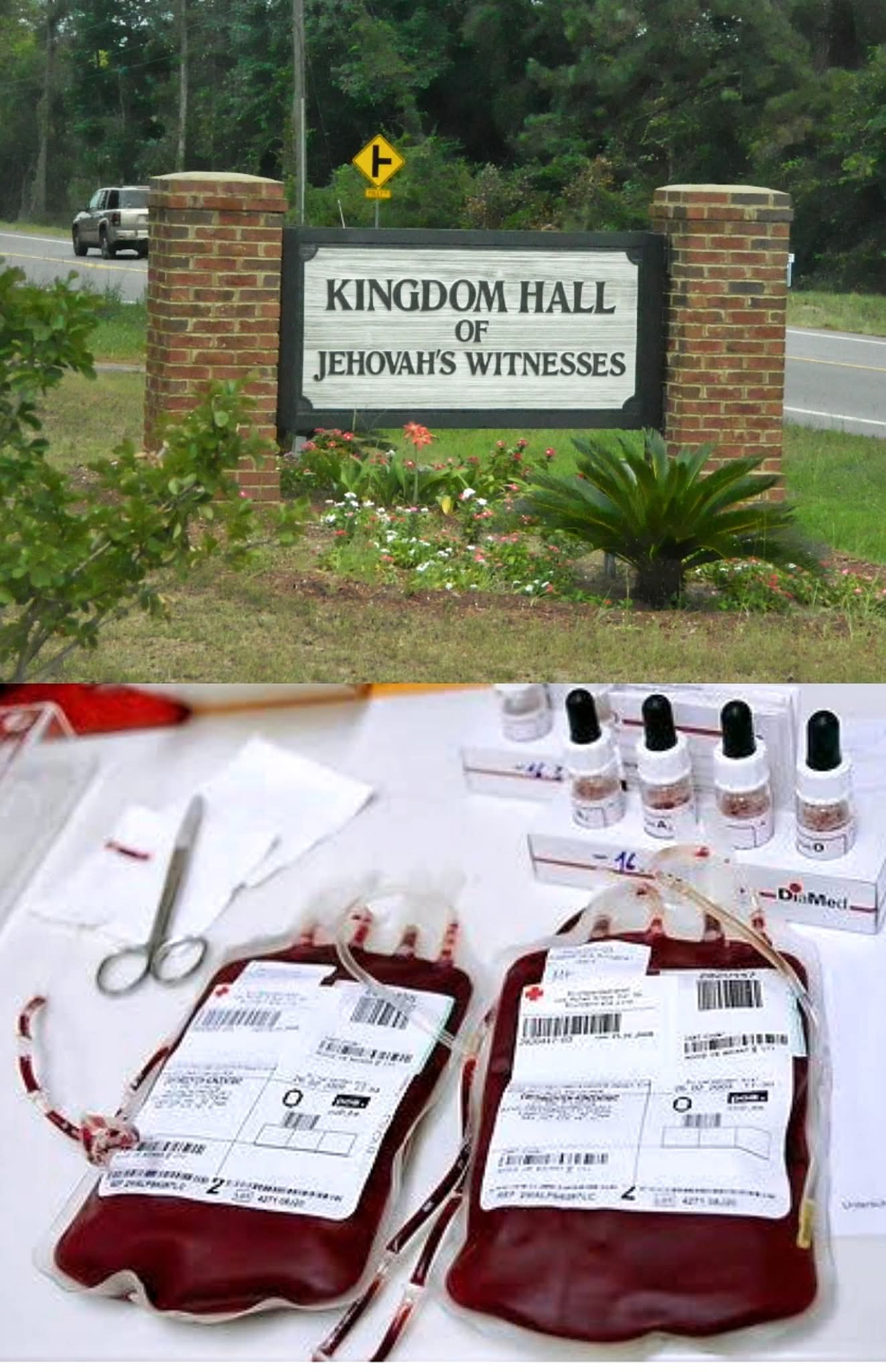
A significant doctrinal clarification by the Jehovah’s Witnesses is reshaping conversations around faith and modern medicine, as members are now permitted to decide whether their own blood can be used during surgical procedures.
Global Mirror News gathered that the updated guidance, delivered through an official video message by Governing Body member Gerrit Lösch, maintains the long-standing prohibition against transfusions involving another person’s blood but introduces a new layer of personal discretion regarding self-donation.
According to Lösch, the clarification is rooted in biblical interpretation, emphasizing that while scripture instructs Christians to abstain from blood, it does not explicitly address the medical use of one’s own blood.
He noted that the decision on whether a patient’s blood can be removed, stored, and later reinfused during treatment is now a matter of individual conscience.
The development reflects an evolving interface between religious doctrine and contemporary medical practice.
Procedures such as dialysis, cell salvage, and the use of heart-lung machines—already accepted by many adherents—continue to align with the group’s teachings while offering life-saving alternatives.
Nigerian Context Sparks Renewed Debate
In Nigeria, the clarification comes amid lingering public discourse following the death of Mensah Omolola, widely known as AuntieEsther, whose refusal of a medically advised blood transfusion drew National attention. Her passing in late 2025 ignited debate over the balance between religious conviction and clinical intervention, especially after supporters raised over ₦30 million for alternative treatments.
Global Mirror News understands that the new position may influence how similar cases are approached, potentially offering members greater flexibility without departing from core doctrinal beliefs.
Doctrine, Not Medicine
Historically, the stance of Jehovah’s Witnesses on blood transfusion has been doctrinal rather than medical. Their interpretation of biblical passages such as those found in Genesis, Leviticus, and Acts of the Apostle, frames blood as sacred, symbolizing life, and therefore not to be consumed or transfused.
However, the organization has consistently stated that its members do not reject healthcare. Instead, they advocate for “bloodless” medical techniques, many of which have advanced significantly in recent years, enabling patients to receive effective treatment while adhering to their beliefs.
A Shift Toward Personal Agency
The latest clarification underscores a broader trend toward personal Agency within structured religious frameworks. While the prohibition on external blood transfusion remains firmly in place, the decision regarding one’s own blood now rests with the individual believer.
For observers, the move signals a nuanced recalibration—one that preserves doctrinal identity while acknowledging the complexities of modern healthcare.