

Israel on Edge as Ultra-Conscription Bill Sparks Political and Social Crisis
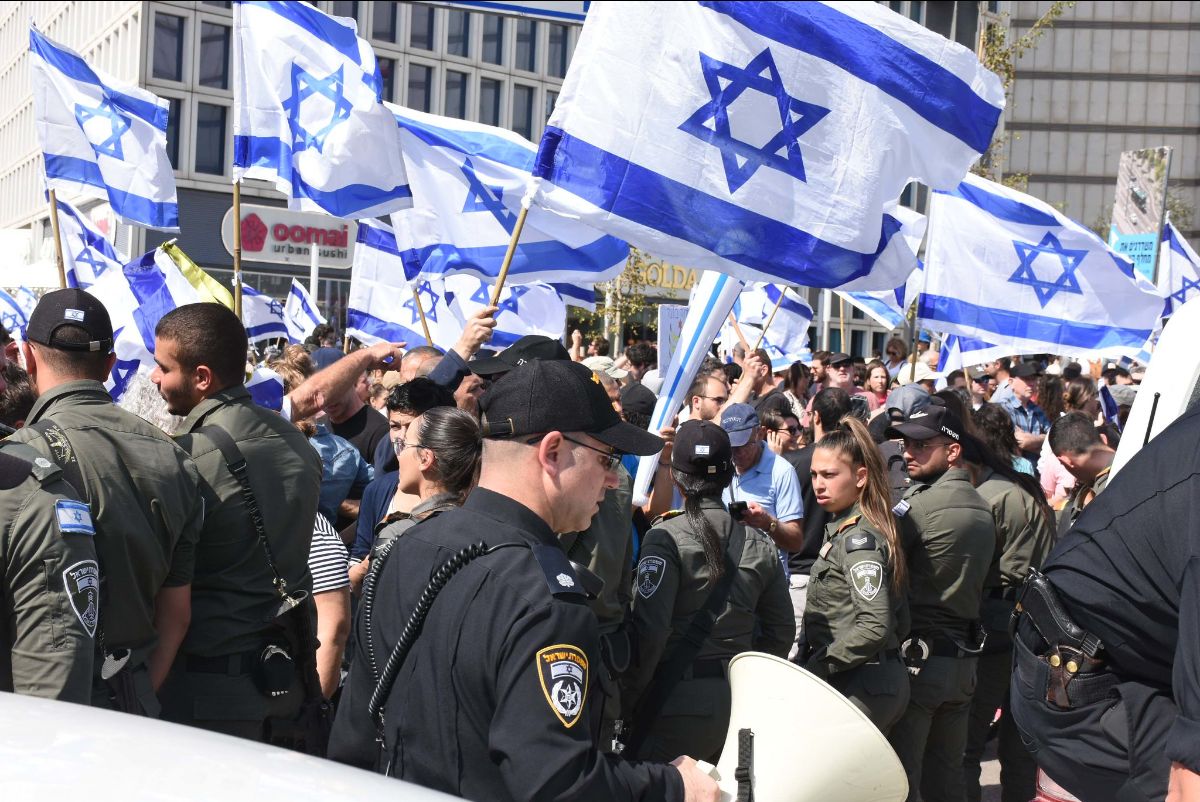
Israel is confronting one of its most volatile political and social crises in decades as the Knesset debates a controversial bill that would require ultra-Orthodox (Haredi) men to serve in the military. For generations, Haredi yeshiva students were granted exemptions from mandatory military service, a policy originating in 1948 to allow full-time religious study. This exemption has long been a source of tension between secular and religious communities in Israel.
The Supreme Court overturned the longstanding exemptions last year, ruling that they were unconstitutional without legislative support. The court argued that continuing selective conscription violated the principle of equality before the law. In response, the Government proposed legislation to enforce conscription for Haredi men, a measure now threatening to fracture Prime Minister Benjamin Netanyahu’s coalition.
Ultra-Orthodox parties, including United Torah Judaism and Shas, have warned that they could withdraw support if the bill passes, potentially toppling the Government amid ongoing regional conflicts. Opposition leaders have condemned the bill as divisive and insufficient, highlighting that it neither fully resolves manpower shortages nor addresses societal inequalities.
The Israel Defense Forces have stressed the urgent need for additional recruits, citing ongoing security challenges. The proposed law reduces the exemption age from 26 to 21 for full-time yeshiva students, a compromise critics call largely symbolic.
Public reaction has been intense. Hundreds of thousands of ultra-Orthodox men and supporters have staged massive demonstrations, particularly in Jerusalem, blocking roads and disrupting city life. Tragedy struck during the protests when a teenager fell from a construction site, becoming the first casualty linked to the unrest. Many in the Haredi community view mandatory service as a threat to their religious way of life, with some considering emigration rather than conscription.
The conscription debate highlights Israel’s deeper struggle over balancing religious tradition, civic responsibility, and National Security. Passing the bill may gradually integrate Haredi men into the military, but failure could trigger early elections and deepen societal rifts. As Israel navigates this turbulent moment, the nation faces difficult questions about identity, fairness, and unity.