
Iran Receives US 15-Point Proposal Amid Escalating Middle East Conflict
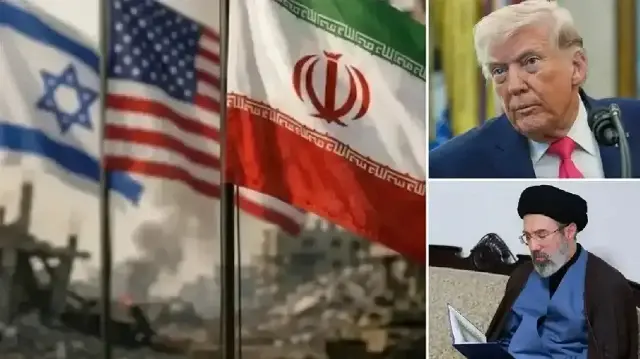
Iran has received a 15-point proposal from the United States aimed at ending the ongoing Middle East conflict, according to Pakistani officials, in a development that signals a possible diplomatic breakthrough despite continued military exchanges.
The proposal, reportedly conveyed through intermediaries in Pakistan, comes as hostilities intensify across the region. The conflict, which began on February 28 following a joint US-Israeli bombing campaign on Iran, has rapidly expanded, impacting multiple countries and unsettling global oil markets.
Officials in Islamabad disclosed that the American plan was transmitted to Tehran through diplomatic backchannels, positioning Pakistan as a potential mediator due to its strategic ties with both Iran and the United States.
Despite these diplomatic efforts, fighting has continued unabated. Iran’s Military claimed it launched cruise missiles targeting the USS Abraham Lincoln carrier group, forcing it to reposition. The Iranian Government also warned of further strikes if US forces move within range.
Meanwhile, Israel confirmed strikes on strategic locations in Tehran and a submarine development facility in Isfahan, underscoring the widening scope of the conflict.
From Tehran, residents expressed growing anxiety over the situation. One local, Shayan, described a sense of helplessness despite the availability of basic necessities, highlighting the psychological toll of the crisis.
In Lebanon, Israeli airstrikes hit southern Beirut—an area known to be a stronghold of Hezbollah—causing widespread destruction. The escalation follows rocket attacks launched by Hezbollah into Israel earlier in March, reportedly in response to the killing of Iran’s Supreme Leader, Ali Khamenei.
Lebanese authorities estimate that over 1,000 people have been killed and more than one million displaced since the strikes began. In Tyre, residents remain defiant despite the devastation, with many refusing to abandon their homes.
Behind the scenes, diplomatic channels remain active. A regional diplomatic source noted that while there is cautious optimism, it is still too early to predict a resolution. Both sides, the source added, must find a way to de-escalate without appearing to concede defeat.
Public rhetoric, however, remains firm. Iran’s parliamentary speaker, Mohammad Bagher Ghalibaf, warned the United States against testing Iran’s resolve.
According to reports, the US proposal includes a ceasefire framework tied to broader negotiations. Key elements reportedly involve restrictions on Iran’s uranium enrichment activities and the reopening of the critical Strait of Hormuz. In exchange, Iran could receive sanctions relief.
US President Donald Trump has hinted at progress, describing recent developments as a “significant step,” though Tehran has publicly denied engaging in direct negotiations.
Global markets have responded cautiously to the diplomatic signals, with oil prices dipping slightly amid hopes of de-escalation. However, tensions remain high around the Strait of Hormuz, a vital global oil transit route.
Iran has indicated that non-hostile vessels may pass through the strait safely, while restricting access for US and Israeli-linked ships, according to communications relayed through international maritime channels.
The broader economic fallout is already being felt globally, with rising fuel costs affecting countries far beyond the conflict zone. In parts of Asia, energy-saving measures and price hikes have begun to impact daily life.
As the situation evolves, the balance between diplomacy and continued military engagement remains fragile.
Source: AFP