India, Other Nations Decline Some Tinubu Envoys Over Short Remaining Tenure
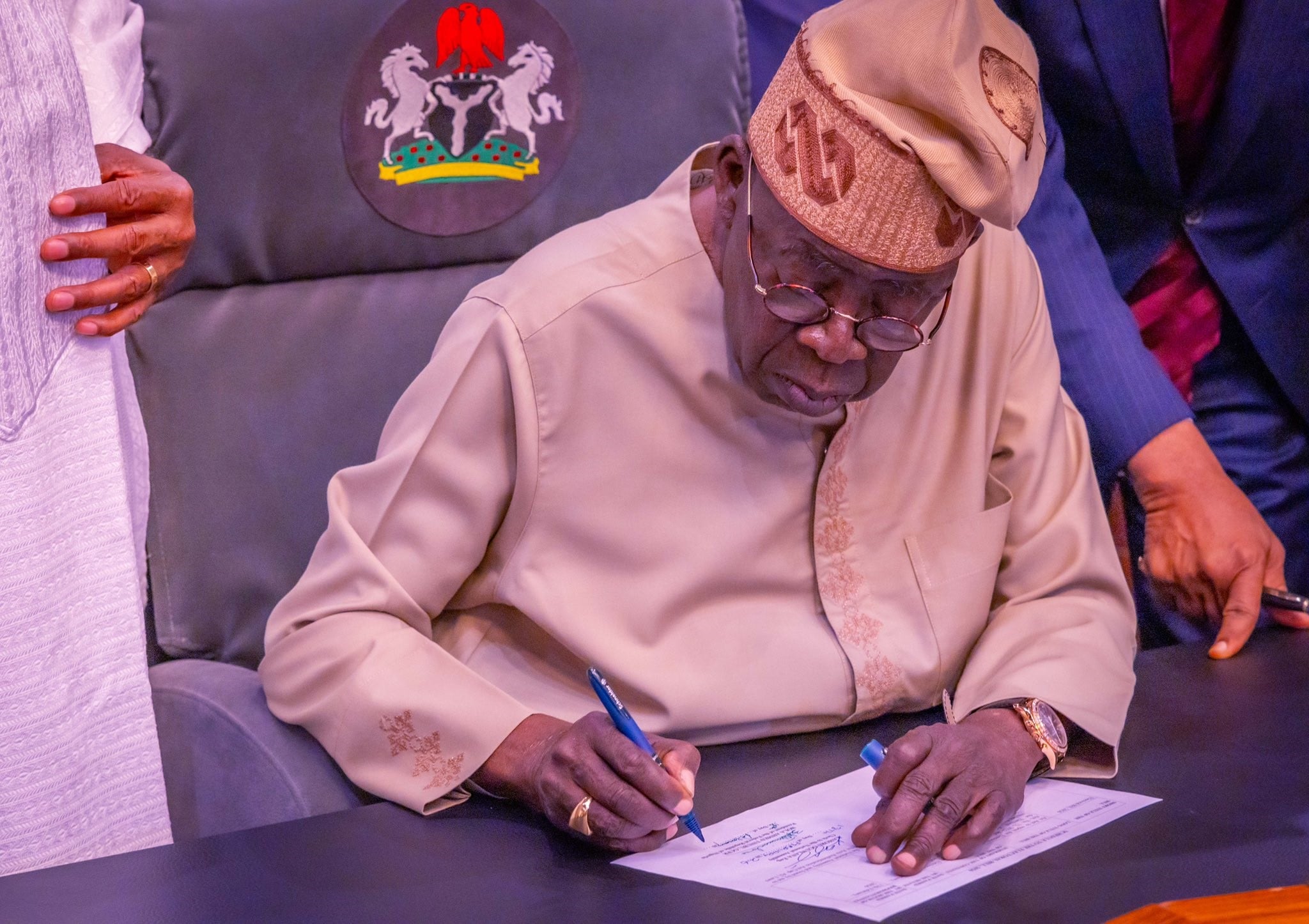
Some countries, including India, have reportedly declined to accept a number of ambassadors-designate nominated by Bola Ahmed Tinubu, citing diplomatic conventions that discourage receiving envoys from governments with less than two years left in office.
Sources within Nigeria’s Presidency and the Ministry of Foreign Affairs disclosed that New Delhi had signalled reluctance to grant agrément—the formal diplomatic approval required before an Ambassador assumes duty—for Ambassador Muhammad Dahiru, who was recently posted to the country.
Officials familiar with the negotiations said India operates a long-standing policy that discourages accepting Ambassadors from administrations nearing the end of their tenure. With Nigeria’s next Presidential election scheduled for January 2027 and Tinubu’s first term ending in May of the same year, some Foreign Governments are reportedly cautious about approving new envoys.
One Presidency source noted that the hesitation is not necessarily about the nominees themselves but rather concerns over the limited time they may have to serve if political leadership changes after the elections.
Another Senior Foreign service official confirmed India’s position but said Nigeria could still attempt to leverage its bilateral relationship with the Asian Nation to seek an exception.
President Tinubu on March 6 approved the deployment of 65 ambassadors-designate and high commissioners to various countries and international missions. Among the nominees are former Aviation Minister Femi Fani-Kayode, posted to Germany, Presidential aide Reno Omokri to Mexico, former Chief of Army Staff Abdulrahman Dambazau to China, and Senator Jimoh Ibrahim as Nigeria’s Permanent Representative to the United Nations.
So far, only United Kingdom and France have granted agrément for Nigeria’s nominees—High Commissioner-designate Aminu Dalhatu and Ambassador Ayodele Oke, respectively—leaving dozens of postings awaiting approval.
Diplomatic analysts say the situation highlights the impact of timing in ambassadorial appointments. Former Nigerian envoy to Singapore, Ogbole Amedu-Ode, described the stance of receiving States as pragmatic, noting that Countries often consider the political stability and tenure of sending Governments before accrediting envoys.
Meanwhile, former ambassador to Algeria, Mohammed Mabdul, suggested that political appointees may face greater scrutiny than career diplomats, as their postings could be short-lived if political transitions occur at home.
The diplomatic uncertainty comes more than two years after the Tinubu administration recalled all Nigerian ambassadors in September 2023, leaving many of the country’s 109 foreign missions without substantive heads.
Despite the current friction, Nigeria and India have recently strengthened bilateral relations. Tinubu attended the 2023 G20 Summit in New Delhi as a guest Nation, where he met with Indian Prime Minister Narendra Modi to discuss cooperation in defence, agriculture, trade and investment.
Modi later paid a state visit to Nigeria in November 2024—the first by an Indian prime minister in 17 years—during which both countries signed agreements on cultural exchange, customs cooperation and survey partnerships, reinforcing the India–Nigeria Strategic Partnership established in 2007.
Diplomatic observers say the ongoing negotiations over agrément could determine how quickly Nigeria restores full ambassadorial representation across its foreign missions.