
FG Moves to Scrap Common Entrance, Introduce Student Tracking System
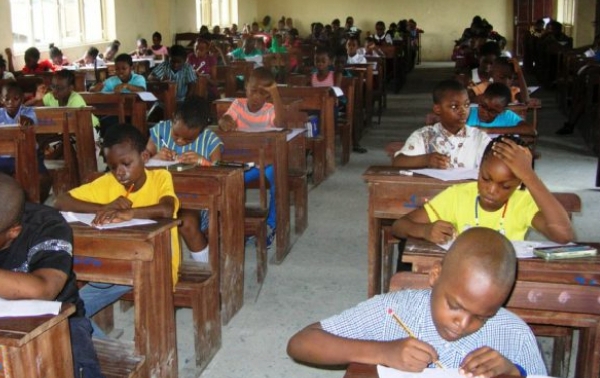
The Federal Government has unveiled plans to abolish the Junior Secondary School Common Entrance Examination and replace it with a comprehensive student tracking system aimed at monitoring pupils throughout their academic journey.
Global Mirror News gathered that the proposed reform will introduce a Learner Identification Number (LIN), a unique code assigned to each pupil from primary school, enabling authorities to track academic progress and transitions across Schools Nationwide.
The Minister of Education, Tunji Alausa, disclosed the initiative during an interactive session with journalists in Lagos on Saturday, stating that the move is part of broader efforts to improve access to education and reduce dropout rates.
According to him, the current common entrance examination will be gradually phased out and replaced with a Continuous Assessment (CA) system that evaluates pupils’ performance from their early years in primary school.
“It will be replaced by Continuous Assessment. The CA will reflect the performance of the pupil from primary one, and even if a pupil transfers from one school to another, the record follows the child,” he explained.
Global Mirror News reports that the Minister expressed concern over the significant gap between primary and secondary school enrolment in Nigeria. He revealed that while over 23 million pupils are enrolled in more than 50,000 public primary schools, only slightly above three million transition into Junior Secondary Schools.
“This raises a critical question about the millions of children who are not progressing. It clearly points to an access issue,” Alausa said.
He noted that the Government is engaging State authorities to expand infrastructure, stressing the urgent need to build more schools to accommodate growing student populations.
To address the tracking gap, the Learner Identification Number will serve as a lifelong academic record for each student, regardless of transfers between schools. The system is also expected to help authorities identify and investigate cases of school dropout.
“If a child is expected to be in JSS1 and is not there, we will be able to determine why,” the Minister added.
In addition, the Government is considering reviving the school feeding programme as part of efforts to boost enrolment and retention in public schools. The programme may be repositioned under the Federal Ministry of Education to enhance oversight and effectiveness.
Global Mirror News understands that the reforms are part of a wider strategy to strengthen Nigeria’s Education System, improve retention rates, and ensure that more children complete basic education.