

A Journey Too Dangerous: Kogi Tragedy Exposes Africa’s Hidden Crisis in Rural Schooling and Child Safety
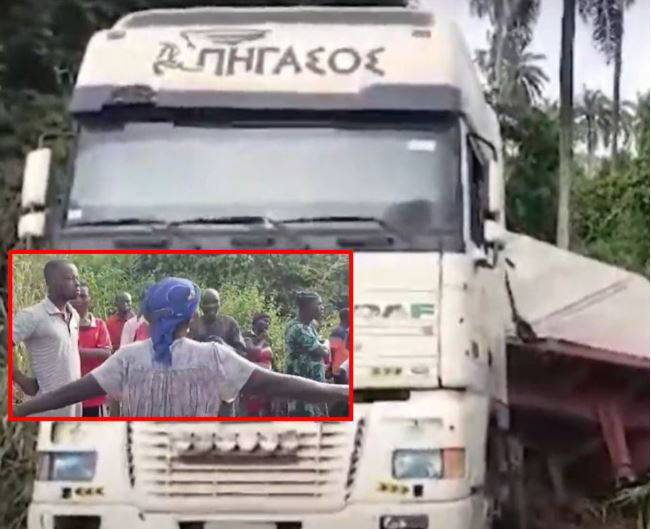
When dawn broke over Egbolo community in Kogi State on Monday, December 1, 2025, dozens of schoolchildren climbed into the back of a truck, a vehicle never intended for human transport, as they did every morning. Their only goal was simple: to get to school. But minutes later, that familiar routine turned deadly.
The truck, already weighed down with children who had no other means of reaching a classroom, crossed a narrow bridge and began climbing a steep hill. Suddenly, it lost control. Witnesses say the engine sputtered, the vehicle rolled backward, and in a matter of seconds, it plunged into the river below.
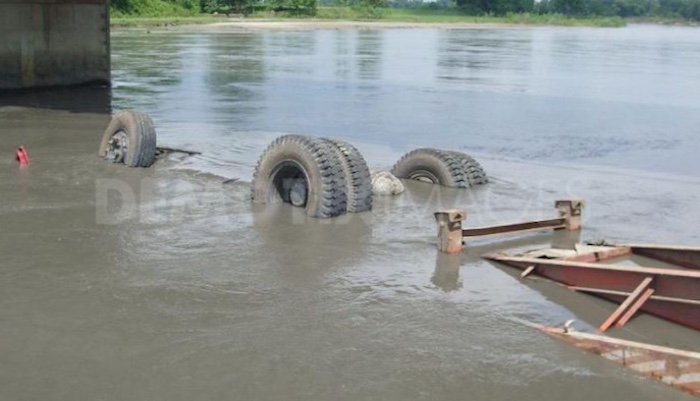
Four children died. Many more were injured. And an entire community was thrown into mourning.
Yet the tragedy has stirred more than grief, it has ignited National outrage, exposed chronic infrastructure failings, and sparked a Global conversation about how far children in poor communities must go just to access the basic right to education.
A Community Without a School, A System Without Safety
Egbolo’s reality is painfully common across rural Nigeria: no functional primary school, inadequate road networks, and no dedicated transport system for children. To learn, pupils must travel to neighbouring communities, often on trucks, motorcycles, or any available vehicle.
Parents know the dangers. Children know the risks. But without a school in the community, the daily journey is non-negotiable.
Local residents say they have repeatedly appealed to authorities to build a school in Egbolo. Their pleas went unanswered.
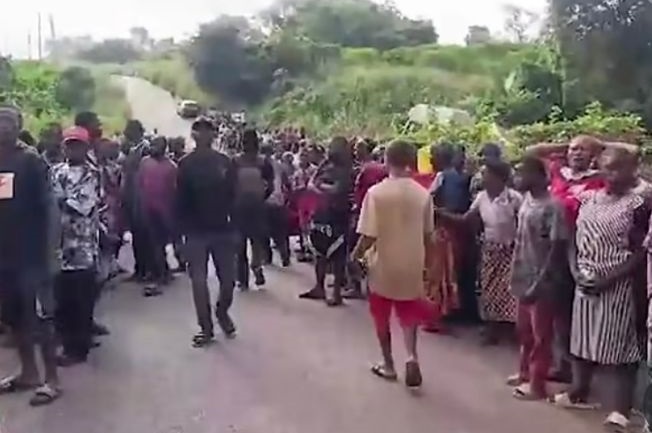
“This accident was not fate. It was the direct result of Government neglect,” a community leader said during a spontaneous protest that erupted hours after the crash. Residents blocked the major access road, insisting that the tragedy was both avoidable and foretold.
Deadly Transport Practices Normalized in Rural Nigeria
Across rural Nigeria and much of sub-Saharan Africa, unsafe school transport has quietly become a way of life.
With no regulation, no enforcement, and no alternatives, children routinely travel:
- in the back of cargo trucks,
- on motorbikes without helmets,
- on improvised rafts in riverine communities, and
- on long, treacherous footpaths carved by necessity rather than design.
Experts say the Kogi incident highlights a glaring gap in Nigeria’s transport and safety policies. School transport guidelines exist, but mostly in urban centres, and rarely enforced.
“Children are being transported like goods,” a public safety consultant told Global Mirror News. “This is not an accident problem. This is a governance problem.”
When the Road to Education Becomes a Human Rights Issue
For child-rights organisations, the Egbolo tragedy is a violation of the most fundamental protections promised under the UN Convention on the Rights of the Child (CRC). The right to education is not merely about having a classroom; it includes the right to reach that classroom safely.
In Egbolo, that right has not been upheld.
Human-rights advocates argue that the state failed in three critical responsibilities:
- Providing a school within the community
- Ensuring safe, regulated transportation for minors
- Maintaining basic road and bridge infrastructure
“These children died because a system that should protect them instead abandoned them,” said an activist from a National child-protection network.
The Bigger Picture: A Silent Regional Crisis
What happened in Kogi is not isolated. Similar tragedies have unfolded across Africa:
- Drownings of schoolchildren during canoe capsizes in riverine Nigeria
- Fatal motorcycle crashes in rural Kenya
- Overloaded pickup trucks overturning in Uganda
- Long, perilous treks through forests in Ethiopia where wild animals pose risks
- Collapses of makeshift bridges used by schoolchildren in Cameroon
The common thread? A failure to build schools within rural communities and to provide safe transport alternatives.
Global development experts warn that unless Governments invest in rural education access, not just buildings, but roads, transport, and regulation children’s lives will continue to be placed in danger in their pursuit of learning.
A Call for Accountability — and Action
Following the crash, Egbolo residents have issued clear demands:
- Immediate construction of a primary school in the community
- A Government-regulated school transport system
- Reconstruction of unsafe roads and bridges
- Compensation and support for affected families
- An independent investigation into the circumstances of the crash
National education groups are backing the calls, arguing that the tragedy should serve as a turning point.
Nigeria and many African Countries facing similar challenges must decide whether rural children will continue risking their lives daily, or whether safety and access will finally become priorities rather than afterthoughts.
A Journey No Child Should Ever Take
As Egbolo buries its young ones, the Nation confronts a bitter truth: these deaths were preventable.
Four children lost their lives not because they sought adventure, but because they sought Education.
Their journey should have ended in a classroom.
Instead, it ended in a river.
Until Governments close the gap between policy and reality, thousands of rural children across the continent remain one slippery hill, one broken bridge, or one overloaded truck away from becoming the next headline.