12 Nigerian Governors, Top Aides Risk US Sanctions After CPC Blacklist Shocker
— Washington Eyes Asset Freeze, Travel Ban as Global Pressure Mounts on Corrupt Officials
A major diplomatic storm is brewing as no fewer than 12 Nigerian State Governors and several high-ranking Government Officials are reportedly under the radar of the United States Government, following revelations contained in a new Consumer Protection Commission (CPC) blacklist implicating them in massive corruption, abuse of office, and human rights violations.
The blacklist, which has reportedly been forwarded to the US State Department and other Western Agencies, is said to have detailed how some serving and former public office holders allegedly diverted public funds, interfered with due process, and intimidated critics.
Sources close to diplomatic channels confirmed that Washington is now considering invoking the Global Magnitsky Human Rights Accountability Act, a legal framework that allows the US to sanction foreign individuals involved in corruption and human rights abuses.
If the sanctions are approved, the targeted Nigerian officials could face visa bans, asset freezes, and restrictions on International financial transactions — measures that have previously been used against top politicians and business figures in other African Countries.
A Senior Diplomatic source told Global Mirror News that the US has been monitoring some of the individuals on the CPC list for several years.
“What the CPC has done is to officially validate long-standing suspicions about certain Nigerian officials. The United States and its allies are no longer willing to look away when public officials loot public funds or trample on citizens’ rights,” the source said.
Among those reportedly listed are Governors from both the ruling All Progressives Congress (APC) and the opposition People’s Democratic Party (PDP), including some who played key roles in the last general elections.
The development has caused tension across political circles in Abuja, with some affected officials quietly reaching out to lobbyists and legal advisers abroad to avert the sanctions.
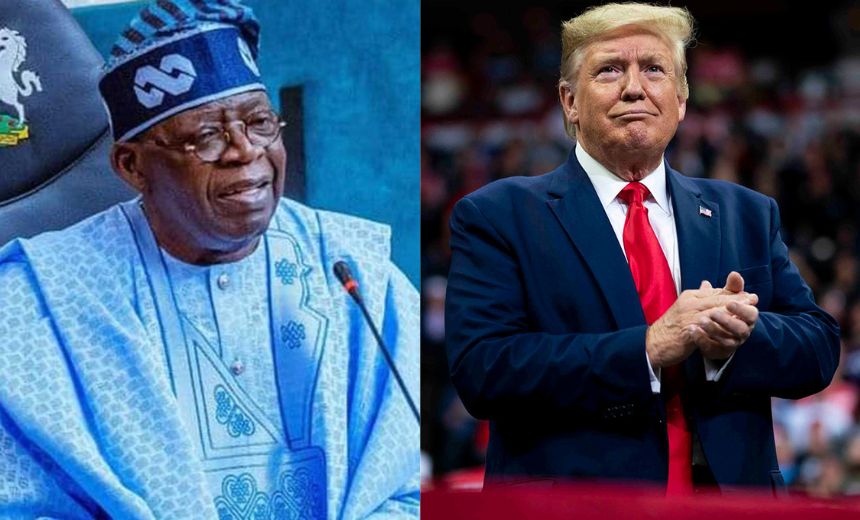
Government reaction has, however, been dismissive. A top presidency official, who declined to be named, described the report as “a distraction by foreign interests seeking to influence Nigeria’s domestic politics,” insisting that President Bola Tinubu’s Administration remains committed to transparency and accountability.
Meanwhile, civil society groups and anti-corruption advocates have welcomed the potential US action, saying it could mark a turning point in Nigeria’s long fight against impunity.
“If the US goes ahead with these sanctions, it will show that the world is paying attention,” said Debo Akinbo, Director of the Coalition for Accountable Leadership. “Those who have turned governance into personal business will finally face real consequences.”
Analysts say the development could strain diplomatic relations between Nigeria and the US, especially if top Government figures are named publicly. Some observers also fear the sanctions may trigger political instability in states whose governors are implicated.
As Nigerians await official confirmation from Washington, one thing is clear — the CPC blacklist has opened a new chapter in the Country’s anti-corruption narrative, and its ripple effects may soon shake the foundations of political power in Abuja.